
Star Wars Gaming’s Lovecraftian Leap: Reviewing The Acolyte’s Impact on Future Horror Titles








Popular Now
 BeamNG.drive
 Counter-Strike 2
 Grand Theft Auto V
 Black Myth: Wukong
 Poppy Playtime
 R.E.P.O
 The Legend of Zelda
 Fortnite
 Warframe
 Candy Crush Saga
The Acolyte’s Dark Echoes: Reshaping Star Wars Game Development
The Star Wars universe, long synonymous with heroic space opera and thrilling lightsaber duels, is currently undergoing a subtle yet profound transformation. With the advent of Disney+’s newest series, The Acolyte, audiences are being introduced to a side of the galaxy far, far away that is distinctly darker, more mysterious, and strikingly reminiscent of cosmic horror. Specifically, the emergence of a creature within the show, widely discussed and debated across fan communities, bears undeniable Lovecraftian hallmarks. This bold narrative direction for the live-action series has significant implications, not just for the lore, but crucially, for the future trajectory of Star Wars games. This article reviews how this shift could inspire a terrifying, yet lucrative, new subgenre within interactive entertainment, pushing the boundaries of what a Star Wars video game can be.
For years, the gaming landscape of Star Wars has primarily focused on established archetypes: Jedi adventures, galactic warfare, racing simulations, and strategy games. While successful, the introduction of a truly alien, existentially threatening entity, drawing from the deep well of H.P. Lovecraft’s mythos, presents a golden opportunity for game developers to explore uncharted territory. This is not merely about adding a monster; it’s about infusing a sense of dread, cosmic indifference, and psychological terror that could redefine player engagement and expand the franchise’s demographic appeal, potentially tapping into the highly profitable horror game market.
The Lovecraftian Blueprint: Decoding The Acolyte’s Monstrous Inspiration
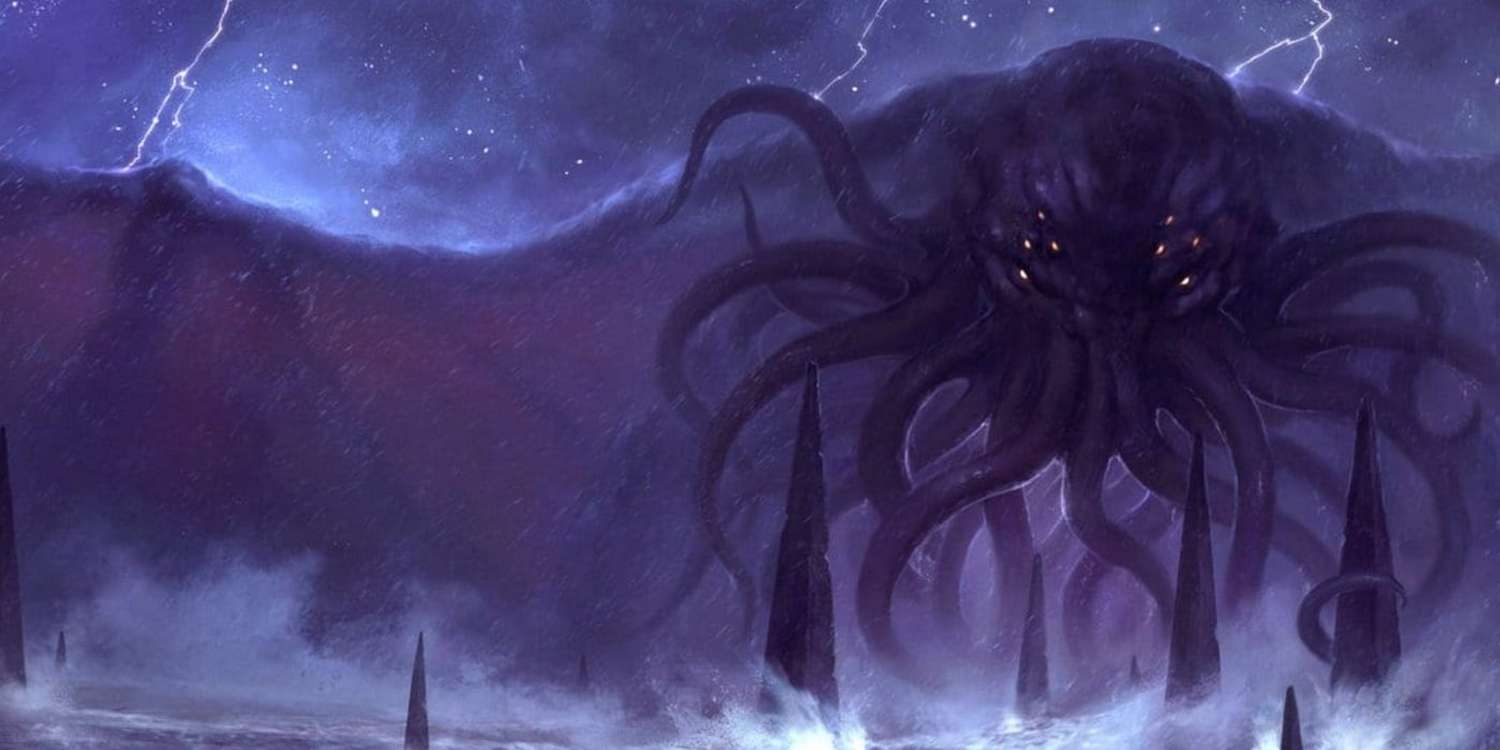
The creature unveiled in The Acolyte embodies several core tenets of Lovecraftian horror: its ambiguous origin, its unsettling appearance, its seemingly incomprehensible motives, and the sheer sense of dread it instills. Unlike a conventional beast, which can be understood and defeated, a Lovecraftian entity operates on a different plane of existence, often driving characters to madness rather than mere physical defeat. This profound sense of ‘otherness’ and existential threat is what sets it apart. Imagine translating this into a Star Wars gaming experience.
- Cosmic Dread: A threat that challenges our understanding of the Force itself, making even Jedi masters feel small and insignificant.
- Psychological Impact: Gameplay mechanics that reflect sanity depletion or moral choices under extreme pressure.
- Unknowable Motives: Antagonists whose goals are beyond human comprehension, making direct confrontation less effective than survival and escape.
- Environmental Storytelling: Ancient, desolate locations filled with whispers of forgotten evils, enhancing atmosphere and player immersion.
These elements, if skillfully integrated, could elevate future Star Wars titles beyond typical action-adventure fare, providing a rich narrative canvas for developers eager to innovate. The potential for a high-CPC game title in this genre is immense, attracting a sophisticated player base looking for deeper, more challenging narratives.
Reviewing Star Wars Gaming’s Past Encounters with the Dark Side
While a pure Lovecraftian horror game set in the Star Wars universe remains largely conceptual, previous titles have flirted with darker themes and atmospheric tension. A critical review of these attempts reveals both successes and missed opportunities that can inform future development:
- Star Wars: Republic Commando (2005): This first-person shooter offered a grittier, more intense look at galactic conflict. Its desolate environments, particularly on Geonosis, and encounters with alien abominations like the Trandoshan slaver compound, evoked a sense of claustrophobia and raw survival. While not Lovecraftian, its focus on squad-based tactics and confronting overwhelming odds against grotesque creatures hinted at the potential for a more horror-centric approach.
- Star Wars Jedi: Fallen Order and Survivor (2019, 2023): These critically acclaimed action-adventure titles often delve into ancient mysteries and unsettling environments. The tombs on Zeffo in Fallen Order, with their eerie silence and the remnants of a vanished civilization, create a sense of foreboding. Similarly, the Nightsisters of Dathomir and their dark magic present a primal, almost supernatural threat. While these games prioritize exploration and combat, their moments of intense atmosphere demonstrate that Star Wars can effectively house darker, more suspenseful narratives. The fear isn’t cosmic, but it’s certainly effective in generating tension.
- Star Wars: Dark Forces (1995): This classic shooter, particularly in its earlier levels, offered tight, maze-like environments and stealth mechanics against formidable enemies. Some levels, with their stark industrial aesthetics and hidden dangers, created a pervasive sense of paranoia, a precursor to more modern survival horror elements.
What these examples lack is the sheer existential dread and the ‘unknowable’ aspect central to Lovecraft. They present dangerous foes, but rarely truly alien, mind-shattering threats. The Acolyte’s new monster offers the perfect entry point to bridge this gap, leveraging established lore with innovative horror elements for a unique game review perspective.
Imagining the Ultimate Lovecraftian Star Wars Game: A Critical Blueprint
So, what would a truly Lovecraftian Star Wars game, inspired by The Acolyte, look like? We can critically review its potential gameplay loops and narrative structure:
Core Gameplay Loop: Exploration, Investigation, Survival, and Escape.
- Setting: Abandoned Old Republic outposts, ancient Sith temples on forgotten worlds, or even derelict space stations haunted by entities older than the Force. These environments would be painstakingly designed to evoke a sense of isolation and creeping dread.
- Protagonist: Not a powerful Jedi Master, but perhaps a rogue archivist, a desperate scavenger, or a lone prospector—someone vulnerable, reliant on wit and stealth rather than lightsaber prowess. This enhances the player’s feeling of helplessness against overwhelming forces.
- Enemies: The Lovecraftian entity from The Acolyte would be the primary antagonist, or perhaps a harbinger of even greater horrors. Its presence would warp the environment, corrupt minds, and manifest in terrifying, often indistinct, forms. Combat might be rare and suicidal, forcing players to use stealth, environmental puzzles, or temporary reprieves to survive.
- Sanity Mechanic: A crucial element, similar to games like Eternal Darkness: Sanity’s Requiem. Witnessing horrors, experiencing isolation, or falling under the entity’s influence could deplete a ‘sanity meter,’ leading to visual distortions, auditory hallucinations, unreliable information, or even self-destructive actions. This adds a layer of psychological horror rarely seen in Star Wars.
- Lore Integration: Instead of fighting Sith Lords, players might uncover ancient texts, forbidden holocrons, or garbled communications that hint at cosmic horrors predating even the Jedi-Sith conflict. This deep dive into a darker, elder lore would be a significant selling point for Star Wars canon enthusiasts.
- Resource Management: Limited blasters, flickering lights, dwindling supplies, and scarce medical kits would force strategic thinking and amplify the survival aspect.
- Multiple Endings: Reflecting the often bleak nature of cosmic horror, where true victory is rare. Endings could range from temporary escape to succumbing to madness, or even inadvertently unleashing a greater horror.
Such a game would offer unparalleled immersion and a refreshing departure from traditional Star Wars action. It taps into a demand for more mature, intellectually stimulating horror experiences within blockbuster franchises, ensuring its status as a high-value gaming release.
The Business Case for Cosmic Horror in Star Wars Gaming
From a commercial standpoint, investing in a Lovecraftian Star Wars game, inspired by The Acolyte, presents a compelling business opportunity. The horror genre in video games consistently performs well, with titles like Resident Evil, Outlast, and Dead Space commanding significant sales and critical acclaim. Marrying this proven genre with the gargantuan intellectual property of Star Wars could unlock a new, highly lucrative revenue stream.
- Expanded Audience: It would attract hardcore horror fans who might not typically engage with Star Wars games, alongside existing Star Wars enthusiasts looking for novel experiences. This dual appeal widens the market considerably.
- High Engagement & Replayability: The psychological elements, intricate lore, and potential for multiple outcomes encourage deeper engagement and multiple playthroughs, boosting player retention metrics.
- Merchandising Potential: The unique aesthetic and terrifying creatures could inspire a fresh wave of collectibles, apparel, and other ancillary products, extending the brand’s reach beyond the game itself.
- Critical Acclaim: A well-executed cosmic horror Star Wars game would undoubtedly generate significant buzz and critical review, setting new benchmarks for innovation within licensed titles. It signals a willingness by developers to take creative risks, which often resonates positively with both critics and players.
- SEO Value: Keywords like ‘Star Wars horror game,’ ‘Lovecraftian sci-fi,’ ‘psychological thriller,’ and ‘new Star Wars game’ would naturally drive high search traffic, ensuring strong organic visibility for marketing campaigns.
Moreover, the technological advancements in modern gaming—stunning graphics, immersive sound design, and sophisticated AI—are perfectly suited to delivering truly terrifying and believable Lovecraftian experiences. The potential return on investment for such a unique concept is exceptionally high.
Critical Analysis: Bridging Cinematic Horror to Interactive Terror
The successful translation of The Acolyte‘s Lovecraftian monster into a video game requires more than just a scary creature; it demands a deep understanding of game design principles tailored for horror. Developers must focus on environmental storytelling, sound design, and pacing to build tension effectively, rather than relying solely on jump scares. The player’s agency is paramount: while the overarching threat should feel insurmountable, players must still feel they have a meaningful role in navigating the terror. This delicate balance between powerlessness and purposeful action is key.
Furthermore, integrating such a dark entity into established Star Wars lore would require careful narrative craftsmanship. The horror should feel organic to the universe, perhaps an ancient Force aberration, a forgotten manifestation of the dark side, or something entirely outside the traditional Jedi/Sith dichotomy, thus enhancing the ‘unknowable’ aspect. The challenge lies in expanding the lore without breaking its core tenets, a task that demands both creative vision and reverence for the source material.
Ultimately, a Lovecraftian Star Wars game inspired by The Acolyte represents a bold, exciting frontier. It’s an opportunity to deliver a game that is not only thrilling and visually stunning but also deeply unsettling and thought-provoking—a true testament to the versatility and enduring appeal of the Star Wars universe when viewed through a terrifyingly fresh lens.
Conclusion: The Future of Fear in Star Wars Gaming
The introduction of a distinctly Lovecraftian monster in The Acolyte marks a pivotal moment for the Star Wars franchise, signalling a willingness to explore darker, more complex themes. For the gaming industry, this is an open invitation to innovate. By embracing cosmic horror, future Star Wars video games have the potential to deliver truly groundbreaking experiences that transcend traditional expectations. A well-crafted Lovecraftian Star Wars game would not only be a critical and commercial success but would also solidify its place as a genre-defining title, offering a unique and terrifying perspective on a galaxy far, far away. The time is ripe for Star Wars to delve into the depths of cosmic dread, offering players an unforgettable journey into the heart of madness. The next wave of high-value game reviews will undoubtedly celebrate this exciting, dark evolution.