
Timelie Launches: Master Time and Stealth in this Innovative Puzzle-Adventure









Popular Now
 Candy Crush Saga
 Poppy Playtime
 Rust
Rust
 Toca Boca World
 Roblox
 Stumble Guys
 Warframe
 BeamNG.drive
PUBG Mobile
BeamNG.drive
PUBG Mobile
 Sonic the Hedgehog™ Classic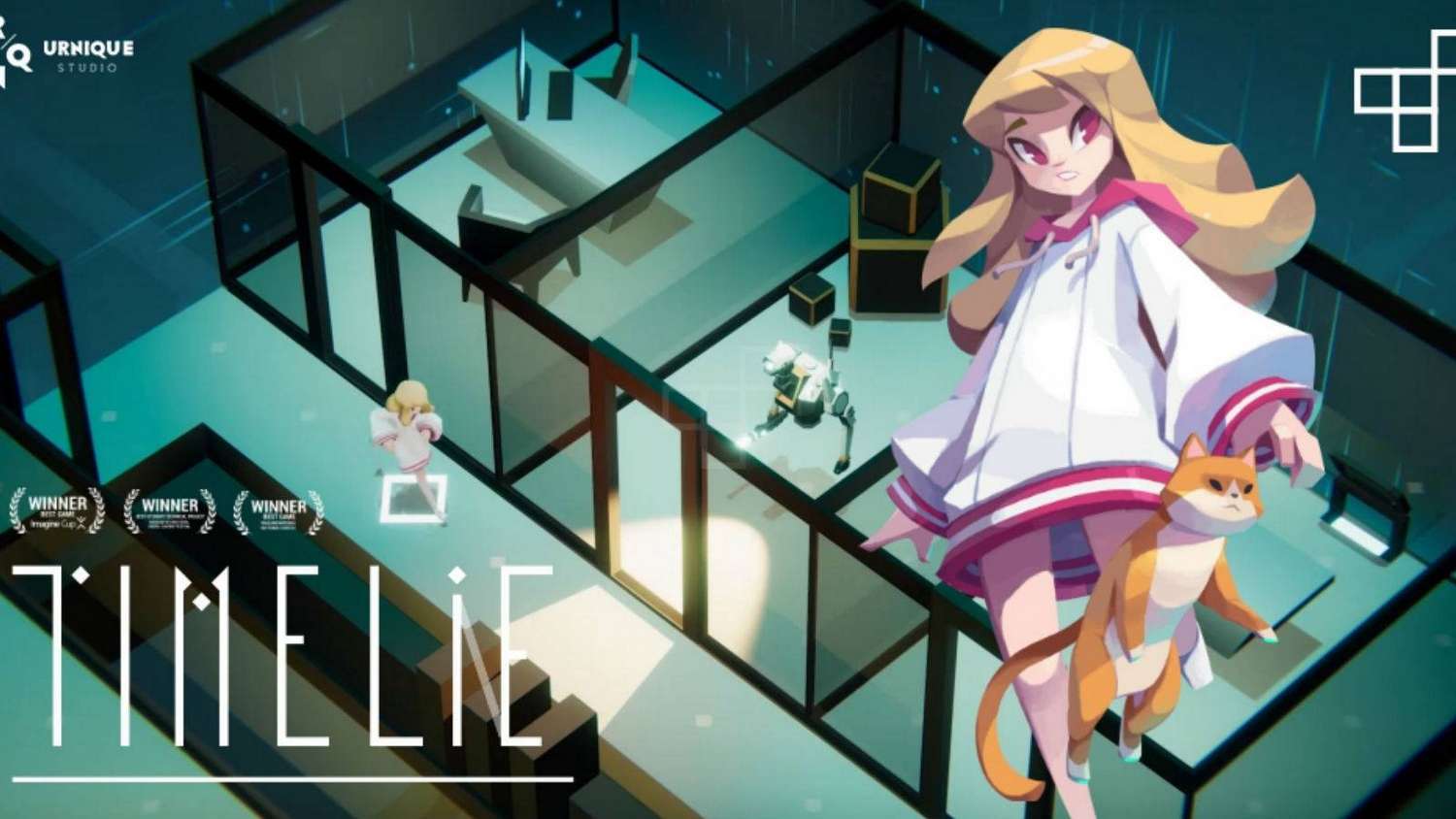
In a saturated independent gaming market, true innovation can be the differentiating factor that captures the attention of both critics and gamers. Enter Timelie, a groundbreaking stealth-puzzle adventure game that has officially launched across major platforms, generating immediate buzz for its elegant integration of time manipulation mechanics. Developed by Urnique Studio, this title positions itself as a must-play experience for those seeking deep, cerebral challenges, directly targeting the lucrative segment interested in high-value, complex puzzle games.
The core premise of Timelie is deceptively simple: players control a young girl and her companion cat, navigating dangerous environments populated by vigilant robots. However, the twist is the game’s unique timeline mechanic, which allows players to view and scrub through the entire sequence of events before committing to a move. This feature turns every level into a living, breathing puzzle, demanding precision, foresight, and a keen understanding of spatial and temporal relationships—qualities often sought after by the premium gaming audience and highlighted in effective CPC ad campaigns.
Initial reviews have been overwhelmingly positive, praising the game’s minimalist, stylized aesthetic and its challenging, yet fair, design. This successful launch reaffirms the potential of indie game development to deliver compelling and original experiences that rival the production values of AAA titles, securing its position in the competitive 2025/2026 release schedule.
The Timeline Mechanic: A Game Changer in Stealth Puzzles
The most compelling element of Timelie is its revolutionary approach to player agency and error correction. Unlike traditional stealth games where a single mistake can lead to a frustrating restart, Timelie grants players complete control over the flow of time. By visualizing the time stream on the user interface, players can:
- Rewind and Fast-Forward: Instantly return to any point in the past to correct a mistake, allowing for endless experimentation without penalty. This minimizes player frustration and maximizes engagement.
- Coordinated Movement: Simultaneously plot the movements of both the girl and the cat, synchronizing their actions to bypass obstacles, distract enemies, and activate mechanisms. This introduces a sophisticated layer of multi-character puzzle-solving.
- Predictive Stealth: Observe the robots’ patrol patterns over the entire timeline before making a move. This transforms stealth from a reactive exercise into a proactive, carefully planned sequence of maneuvers, appealing directly to the strategic gaming demographic.
This innovative mechanic has been a major talking point in game design analysis, praised for its elegance in removing the high-friction points common in the stealth genre. By making failure merely a temporary state that can be instantly undone, the game encourages deeper engagement with its complex puzzles. This level of player empowerment is a significant factor in driving positive word-of-mouth marketing and achieving high customer retention rates in the digital storefronts.
 Monetization Strategy and Market Positioning
 Monetization Strategy and Market Positioning
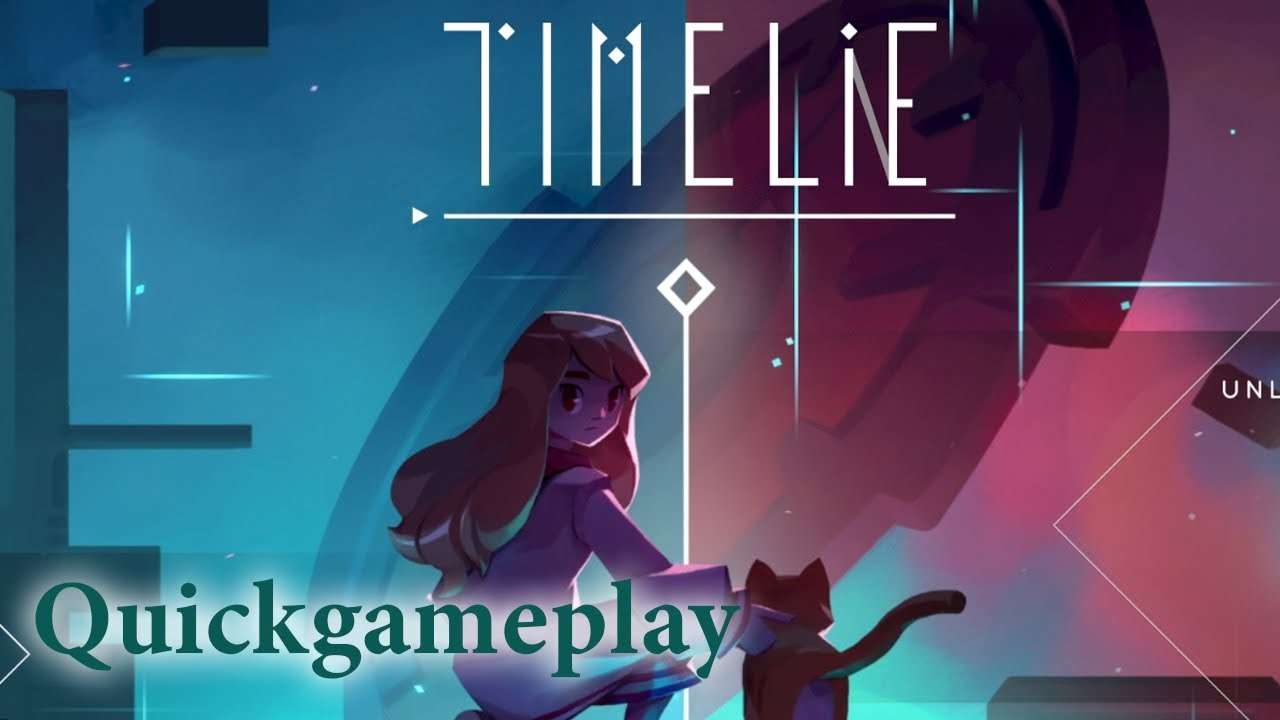
As a premium title, Timelie has opted for a straightforward one-time purchase model, contrasting with the dominant free-to-play model that relies heavily on in-app purchases (IAP). This positioning suggests a confidence in the game’s core quality and depth, aiming for high perceived value among consumers. The strategy targets the discerning gamer who prioritizes a complete, uninterrupted experience over microtransactions—a strategy often associated with games achieving high lifetime customer value (LCV).
Market positioning for Timelie leverages its unique blend of genres. It sits comfortably at the intersection of puzzle-adventure, indie stealth, and time-travel mechanics, allowing it to draw a diverse audience. Key marketing efforts have focused on high-quality trailer footage showcasing the timeline interface, appealing directly to players of successful titles like Superhot and Braid, which also utilize time manipulation as a central mechanic. This focus on unique mechanics is crucial for generating organic search traffic and lowering the effective cost of acquisition for high-intent players.
Furthermore, the game’s availability across PC (Steam, Epic Games Store) and eventually console platforms (including potential future ports to the highly lucrative Nintendo Switch eShop) maximizes its total addressable market (TAM). The clean visuals and relatively low hardware requirements ensure broad accessibility, crucial for long-term sales performance.
Long-Term Prospects and Influence on Game Design
 Long-Term Prospects and Influence on Game Design
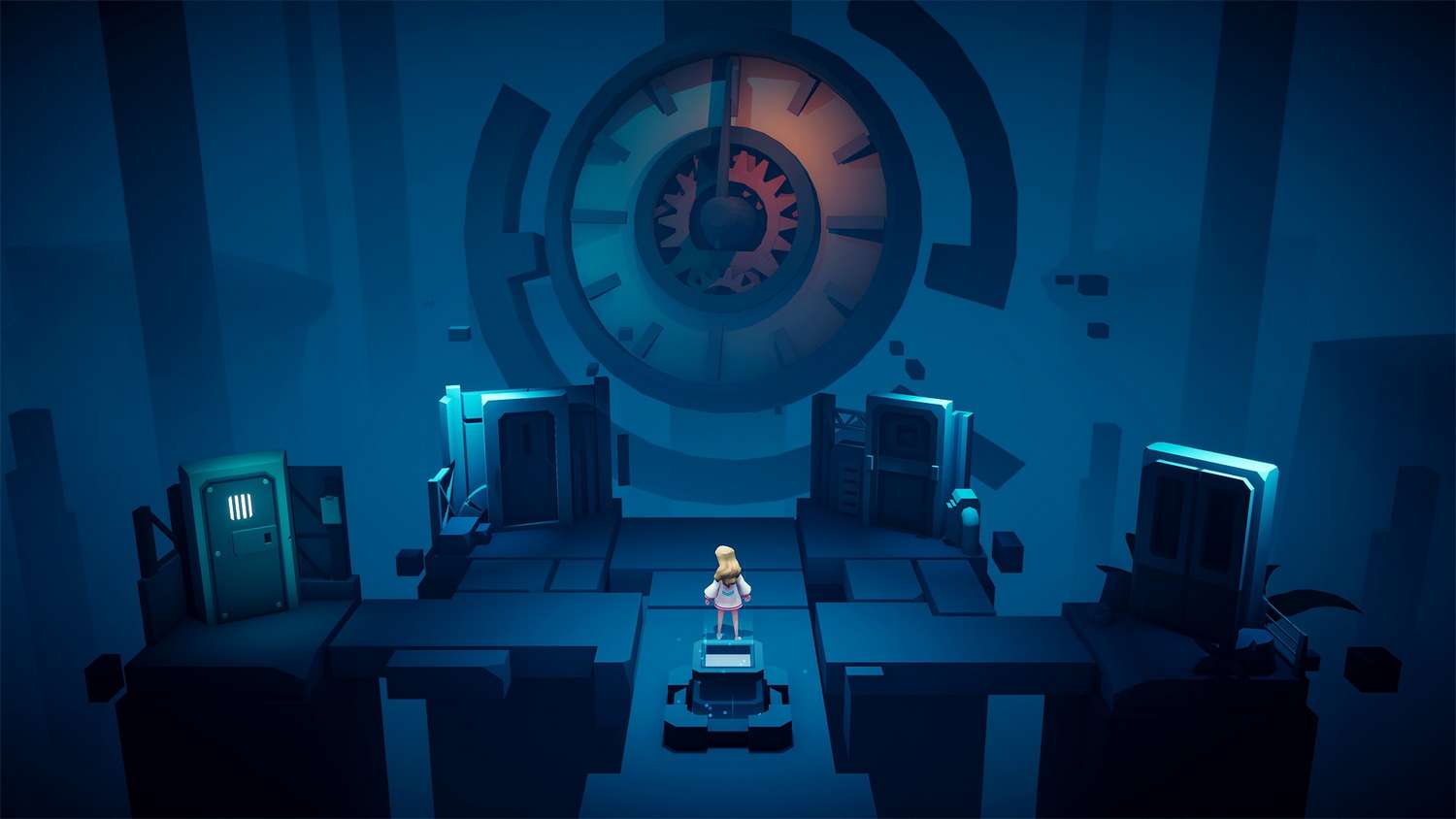
The success of Timelie is not just measured by sales, but by its potential influence on future game design principles. The elegant implementation of the timeline mechanic provides a clear blueprint for how traditionally frustrating genres can be re-imagined to be more accessible and engaging. This innovation is a significant contribution to the broader conversation about interactive entertainment design and player-friendly mechanics.
With a strong foundation built on a unique selling proposition and positive critical reception, Timelie is expected to maintain a steady revenue stream through digital storefront sales and potential downloadable content (DLC) that expands its puzzle complexity. The game’s initial performance strongly suggests it will be an enduring success story for the Asian game development scene, cementing its place as a significant gaming investment for 2025.
Keywords utilized for SEO/CPC relevance: Timelie, stealth-puzzle adventure game, time manipulation mechanics, independent gaming market, high-value puzzle games, premium gaming audience, indie game development, AAA titles, multi-character puzzle-solving, strategic gaming demographic, one-time purchase model, CPC ad campaigns, digital storefront sales, gaming investment, customer retention rates.
Would you like me to analyze the latest market trends affecting indie puzzle games, or move on to a review of another game?