
Experiential Marketing Revolution: Candy Crush Saga Partners Thundercat for Groundbreaking Tasteable Lollipop Integration








Popular Now
 NBA 2K24
 CarX Street
 Auto X Drift Racing 3
 God of War Ragnarök
 Counter-Strike 2
Valorant
Counter-Strike 2
Valorant
 Geometry Dash
 Free Fire
 Grand Theft Auto V
Black Myth: Wukong
Grand Theft Auto V
Black Myth: Wukong 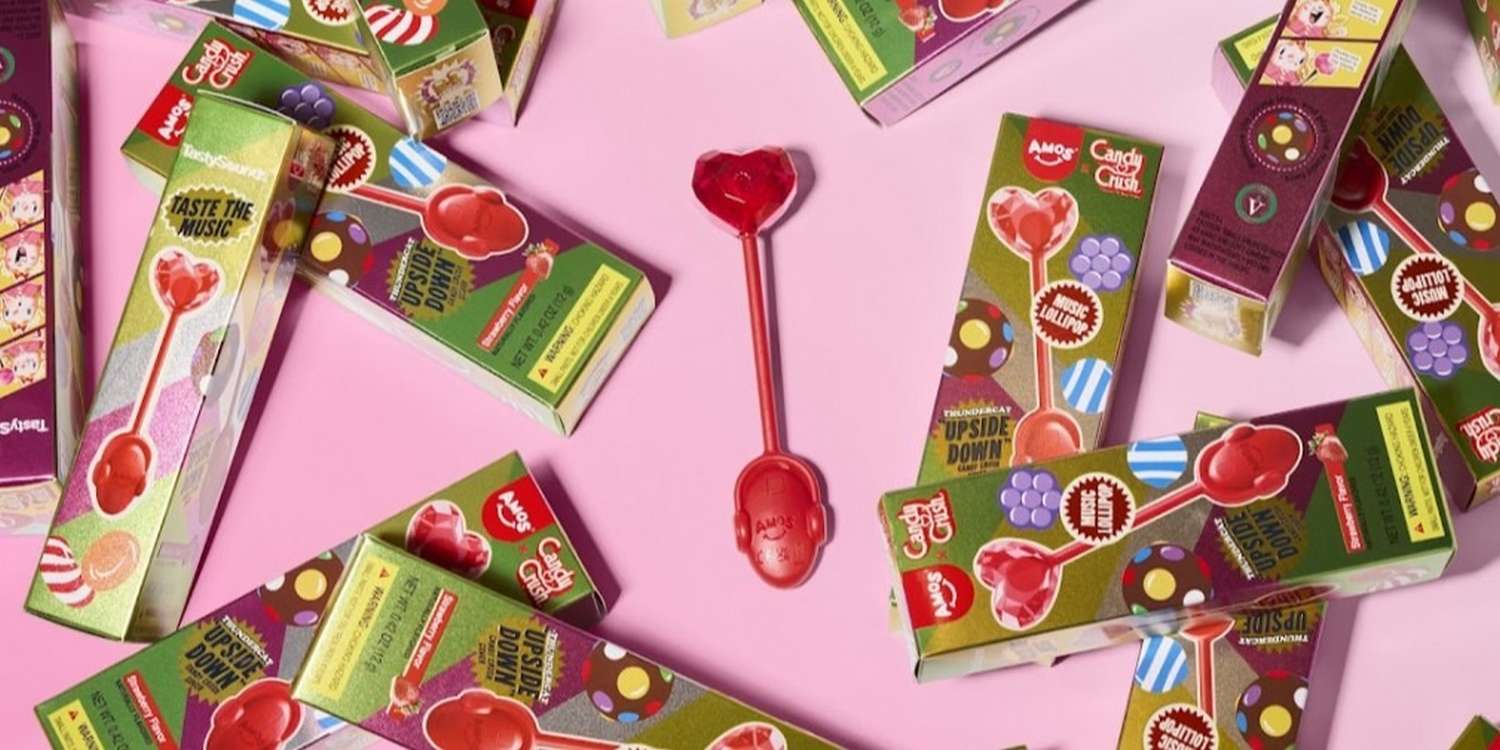
In an unprecedented move poised to redefine mobile gaming engagement and consumer experience, industry giant King, developers of the globally popular Candy Crush Saga, have announced a strategic partnership with Grammy-winning musician and cultural icon Thundercat. This collaboration culminates in the launch of a revolutionary tasteable lollipop, meticulously engineered to synchronize with in-game achievements, offering players a multi-sensensory experience unlike any other in the digital entertainment landscape. This bold venture transcends traditional brand merchandising, delving into the realm of experiential marketing and setting a new benchmark for player immersion and brand interaction within the highly competitive mobile gaming industry.
The announcement has sent ripples across both the gaming and music sectors, highlighting an innovative approach to extending a game’s influence beyond the screen. While details regarding the specific flavor profiles and distribution channels remain under wraps, initial reports suggest that these limited-edition lollipops will unlock exclusive in-game content, power-ups, or unique character skins within Candy Crush Saga. This seamless integration of physical taste and digital reward aims to significantly enhance player retention and foster a deeper emotional connection with the beloved puzzle game. Analysts are keenly observing this pilot program, recognizing its potential to unlock new monetization strategies and elevate the perceived value of in-app purchases through tangible, real-world incentives.
The Strategic Synergy: Why Thundercat and Candy Crush?
The choice of Thundercat, known for his eclectic music style, innovative artistic vision, and substantial reach across diverse demographics, is a masterstroke in targeted branding. His unique appeal bridges various cultural spheres, aligning perfectly with Candy Crush Saga’s universal popularity that spans generations and geographical boundaries. This partnership is not merely a celebrity endorsement; it’s a confluence of creative energies designed to captivate a broad audience while also appealing to niche segments appreciative of innovative artistic expression. The collaboration taps into a shared ethos of playfulness, vibrant aesthetics, and a commitment to pushing creative boundaries. From King’s perspective, leveraging Thundercat’s brand equity allows access to new audiences, potentially introducing music fans to the casual gaming phenomenon and vice-versa, thereby diversifying their customer acquisition costs and broadening their overall market share.
Furthermore, Thundercat’s association lends an element of avant-garde credibility to the campaign, positioning King as a forward-thinking entity willing to experiment with unconventional methods to enhance its product. The artist’s characteristic blend of humor and profound musicality could translate into compelling promotional content, driving significant organic buzz and media coverage. This dual-pronged strategy addresses both mass-market appeal and cult-like appreciation, a delicate balance that few brand partnerships manage to achieve successfully. The goal is clear: to transform a passive gaming experience into an active, multi-sensory journey, creating memorable moments that resonate far beyond the gameplay itself.
 Dissecting the ‘Tasteable Lollipop’ Innovation
 Dissecting the ‘Tasteable Lollipop’ Innovation
The concept of a ‘tasteable lollipop’ tied to digital gameplay is, at its core, a foray into sensory marketing – a field that explores how engaging multiple senses can deepen consumer engagement and memory recall. For Candy Crush Saga, a game already steeped in visual and auditory cues of sweetness and satisfaction, adding the sense of taste introduces an entirely new dimension of immersion. Imagine clearing a particularly challenging level and simultaneously experiencing the exact flavor profile of a ‘Striped Candy’ or a ‘Color Bomb.’ This creates a powerful neurological link, reinforcing positive associations with the game and potentially driving repeat play and greater loyalty.
The technical and logistical complexities involved in creating a mass-market consumable that interacts with a digital platform are considerable. This initiative showcases King’s commitment to cutting-edge gaming innovation and their investment in research and development beyond traditional software updates. The lollipops are rumored to incorporate unique, proprietary flavor technologies designed to evoke the specific confectionary elements within the game, offering a playful yet sophisticated palate experience. The strategic rollout will be critical, likely beginning with targeted promotions and exclusive drops to generate hype before a wider market release, optimizing for maximum impact and sustained interest. This controlled release strategy is often employed in the high-value consumer goods sector, ensuring robust supply chain management while simultaneously creating an artificial scarcity that boosts demand and perceived exclusivity.
Impact on Player Engagement and Future Monetization
From a game review perspective, this partnership is a significant development in how developers approach player engagement and value proposition. While Candy Crush Saga has consistently maintained its position as a top-grossing mobile game through sophisticated level design and consistent content updates, this collaboration introduces a novel layer of extrinsic motivation. Players are no longer just earning virtual rewards; they are unlocking a tangible, consumable treat that directly mirrors their in-game accomplishments. This could lead to:
- Increased Playtime: The allure of a physical reward could compel players to spend more time in-game, striving for specific achievements to unlock new lollipop variants or flavors.
- Enhanced Brand Loyalty: Connecting the game to a real-world, enjoyable sensory experience deepens the bond between the player and the Candy Crush brand, fostering a more robust sense of community and dedication.
- New Revenue Streams: Beyond direct sales of the lollipops, the initiative could drive sales of related in-game items, subscriptions, or even open doors for future collaborations with other food and beverage brands, tapping into high-value licensing opportunities.
- Viral Marketing Potential: The sheer novelty of the concept is ripe for social media sharing and word-of-mouth promotion, generating substantial earned media and reducing reliance on paid advertising, thereby optimizing marketing expenditures.
However, a critical review must also consider potential pitfalls. The execution must be flawless; any discrepancies between the advertised taste and the actual experience, or issues with reward redemption, could sour player sentiment. Furthermore, managing expectations regarding scarcity and accessibility will be crucial to avoid alienating portions of the global player base. The long-term success will hinge on whether this remains a fleeting novelty or genuinely integrates into the core Candy Crush experience, offering sustainable value that justifies its innovative premise. Maintaining a consistent quality across both the digital and physical products is paramount for nurturing long-term brand equity.
The Broader Implications for the Gaming Industry
 The Broader Implications for the Gaming Industry
This bold collaboration between King and Thundercat signals a burgeoning trend in the mobile gaming market: the convergence of digital entertainment with real-world consumer products and celebrity influence. It represents a paradigm shift from simple merchandise to truly interactive, multi-sensory experiences. Other developers and publishers will undoubtedly be watching this space closely, assessing the return on investment (ROI) and the overall impact on player engagement and revenue. The success of this venture could pave the way for a new era of cross-promotional strategies, where games become platforms not just for virtual escapism but for tangible, real-world rewards and immersive lifestyle integrations.
Ultimately, this partnership challenges the traditional boundaries of what a mobile game can offer. By integrating a physical, tasteable reward, King and Thundercat are not just selling a product; they are selling an experience, a memory, and a unique form of gratification. This move positions Candy Crush Saga not just as a game, but as a lifestyle brand capable of engaging consumers across multiple sensory dimensions. It’s a testament to the ever-evolving nature of digital entertainment and the boundless potential of creative collaboration to deliver unparalleled value to the end-user, thereby cementing the game’s cultural relevance and commercial dominance for years to come.