
Beyond the Shadow of Dead Cells: The Rogue Prince of Persia Forges Its Own Roguelite Identity







Popular Now
Gacha Club
 Grand Theft Auto V
 Valorant
 Schedule I
 Stumble Guys
 Roblox
 BeamNG.drive
 Warframe
 Candy Crush Saga
 Black Myth: Wukong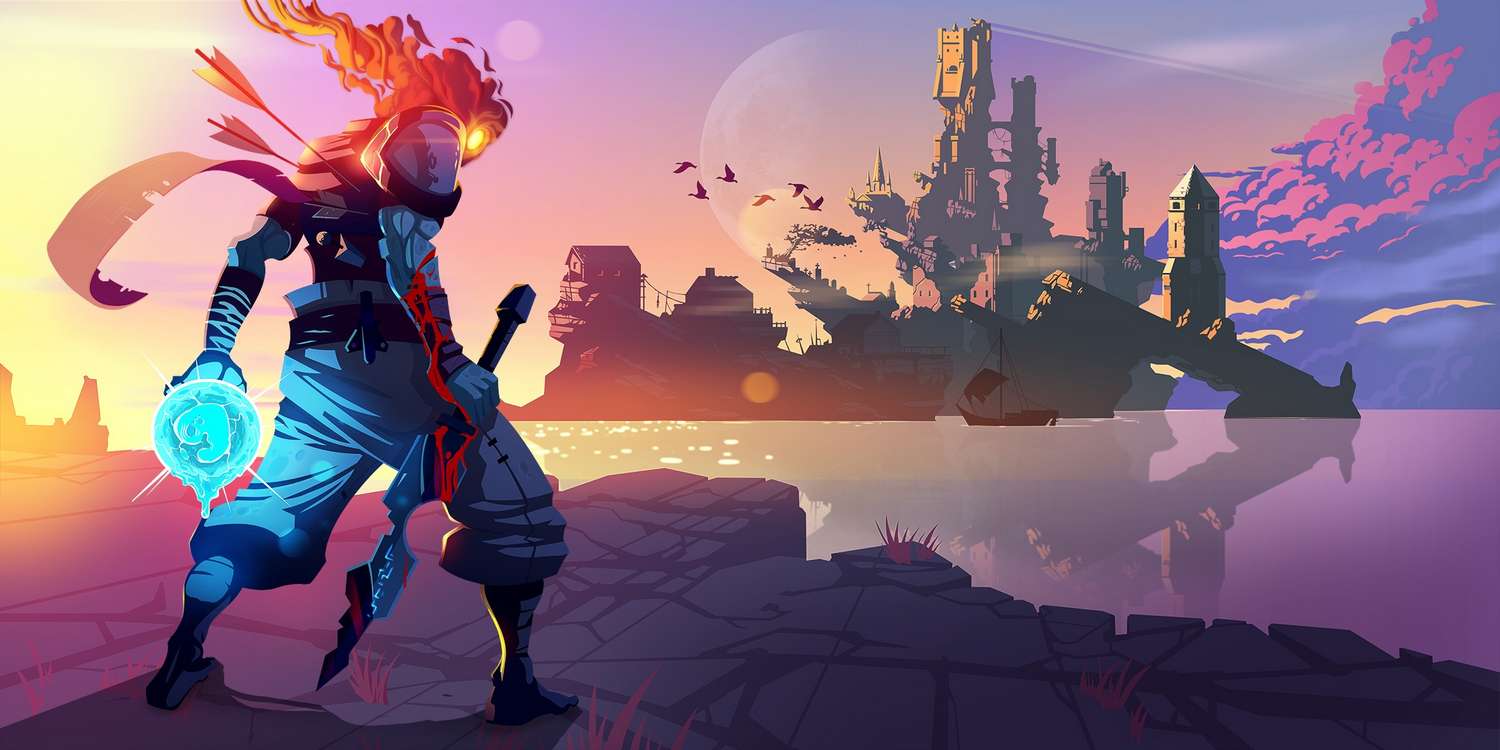
Charting a New Course: The Rogue Prince of Persia’s Distinctive Leap in the Roguelite Genre
The gaming landscape is perpetually buzzing with new releases, and few arrive with as much inherent expectation as a title from Evil Empire, the acclaimed studio behind the monumental success of Dead Cells. Their latest offering, The Rogue Prince of Persia, has entered early access, immediately inviting comparisons to its spiritual predecessor. While the pedigree is undeniable, the central question for many PC gaming enthusiasts and roguelite fans is whether this new iteration truly vaults off Dead Cells’ legacy or endeavors to carve a distinctly separate identity within the crowded action-platformer space. Initial impressions suggest a game that, while benefitting from its developers’ expertise, is determined to stand on its own two feet, offering a fresh take on high-stakes combat and fluid exploration.
From the outset, it’s crucial to acknowledge the colossal shadow cast by Dead Cells. Renowned for its pixel-perfect combat, ingenious level design, and relentless difficulty, it set a benchmark for what a modern roguelite Metroidvania could achieve. Naturally, players approaching The Rogue Prince of Persia anticipate a similar level of polish, replayability, and addictive gameplay loop. However, Evil Empire has made a conscious decision to diverge significantly in several key areas, aiming not to clone a winning formula but to iterate upon core principles in a new, exciting direction. This strategic shift is evident in nearly every facet of the game, from its vibrant art style to its unique movement mechanics and approach to enemy encounters.
Aesthetic Evolution: Art Direction and Narrative Nuance
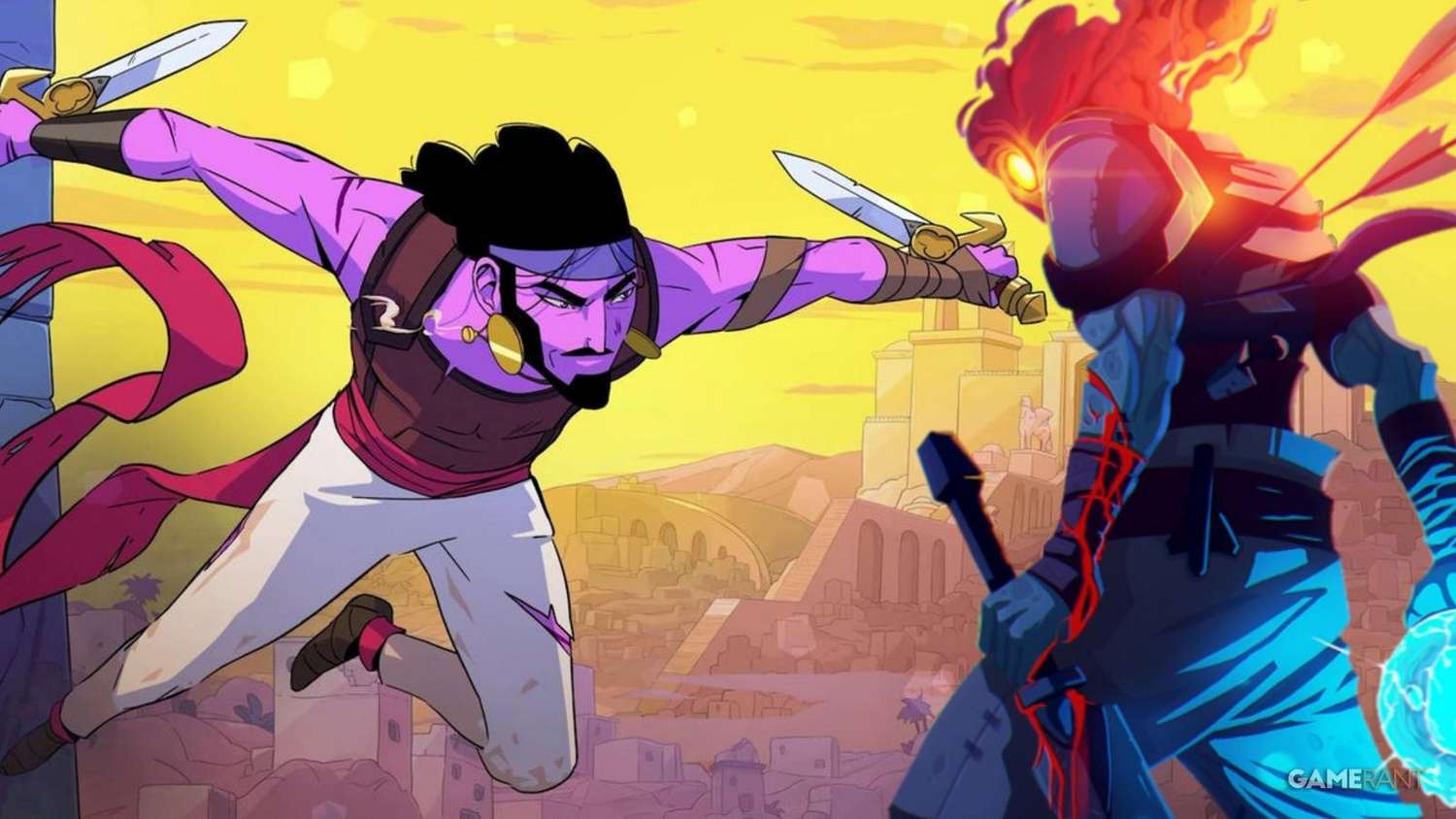
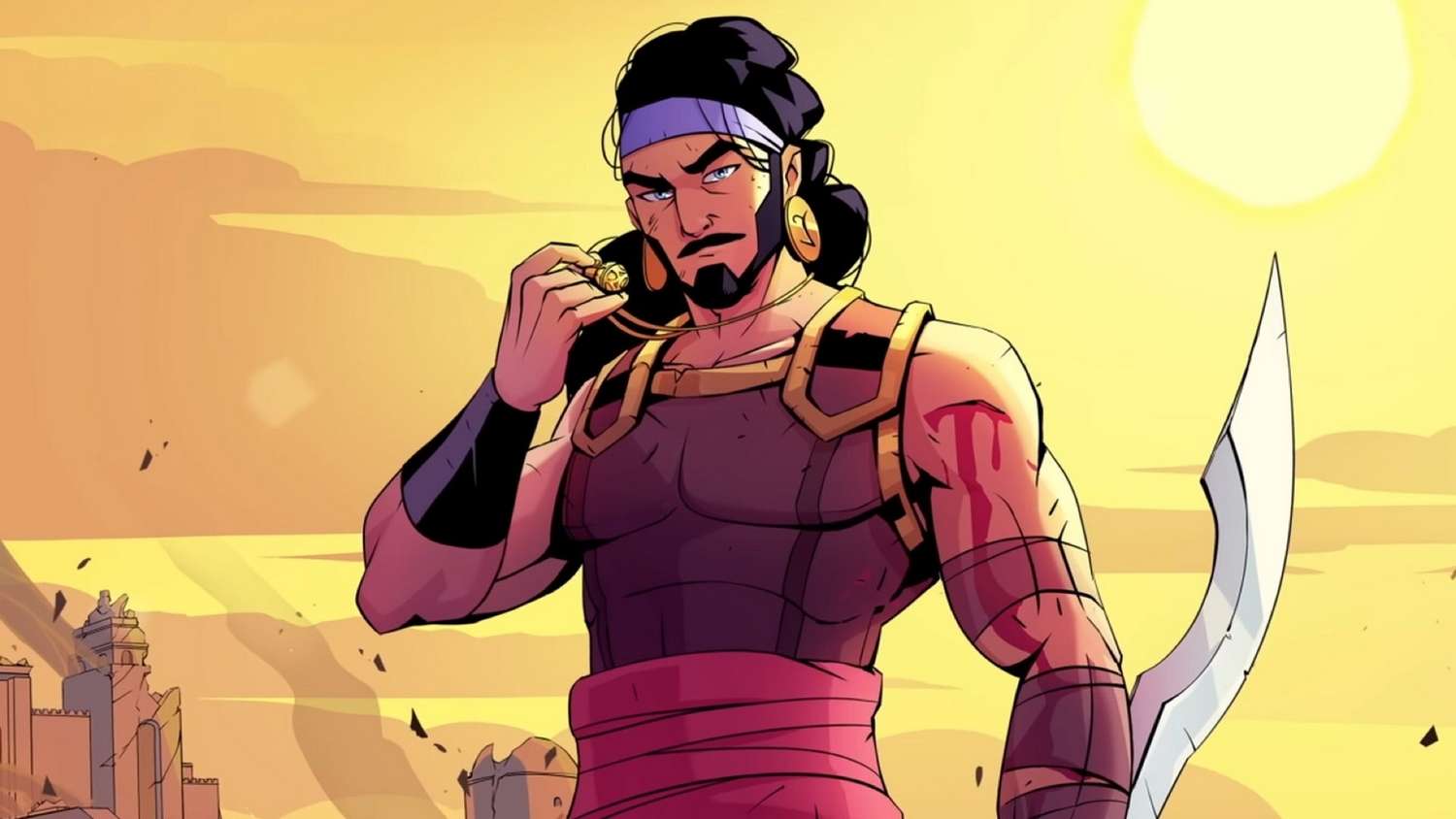
One of the most striking departures from Dead Cells is The Rogue Prince of Persia’s visual identity. Moving away from the pixel-art aesthetic, the game embraces a stunning, hand-drawn art style reminiscent of Franco-Belgian comics. This artistic choice imbues the game world with a lively, fluid quality that perfectly complements the acrobatic prowess of the titular Prince. Every environment, from ancient ruins to bustling bazaars, feels vibrant and distinct, pulling players into a visually rich narrative experience. This isn’t just a cosmetic change; it’s a deliberate choice that informs the game’s overall tone – a lighter, more adventurous spirit compared to the grim, desolate atmosphere of the Dead Cells universe.
Furthermore, the narrative in The Rogue Prince of Persia appears to be more upfront and character-driven. While Dead Cells offered environmental storytelling and lore snippets, the new Prince title promises a more direct engagement with its world and characters. Players are thrust into a Persia under siege, tasked with mastering an ancient power to repel a Hunnish invasion. This clear objective, combined with interactions with various NPCs and uncovering the mysteries of the land, provides a stronger narrative hook that distinguishes it from the more abstract progression of its predecessor. For players who appreciate a compelling story alongside their challenging gameplay, this emphasis on narrative could be a significant draw and a major point of differentiation.
Acrobatic Mastery: Redefining Movement and Combat
Where The Rogue Prince of Persia truly shines and deviates most from the Dead Cells blueprint is its unparalleled focus on acrobatic movement. The Prince is not just a warrior; he is a master of parkour. Wall-running, vaulting over enemies, grappling, and sliding are not mere traversal tools but integral components of both exploration and combat. This emphasis creates a sense of kinetic energy that is distinctively ‘Prince of Persia’. Players are encouraged to flow through environments, chaining together jumps, dodges, and attacks with a grace that feels exhilaratingly unique. This differentiates the game from the grounded, more methodical combat encounters of Dead Cells, which, while brilliant, relied less on verticality and environmental interaction as core combat mechanics.
The combat system itself, while still prioritizing skill and timing, is heavily influenced by this acrobatic freedom. Enemies often require clever positioning, utilizing the environment to gain an advantage, or vaulting over them to strike from an unexpected angle. Weapons feel weighty and impactful, ranging from dual daggers to bows and spears, each offering unique properties and attack patterns. The challenge lies not just in parrying or dodging but in seamlessly integrating movement abilities into offensive and defensive strategies. This creates a higher skill ceiling for movement-based combat, rewarding players who master the Prince’s full repertoire. It represents a significant evolution in how roguelite games can approach player agency in combat, making it feel less like a direct confrontation and more like a ballet of blades and wall-runs.
The Roguelite Loop: Progression and Replayability in a New Guise
As a roguelite experience, The Rogue Prince of Persia embraces permadeath and procedural generation. Each run presents new challenges, enemy layouts, and loot opportunities, ensuring high replayability. However, the game introduces its own twists to the meta-progression system. While specific details around persistent upgrades and unlockables are still being explored in early access, the design philosophy seems geared towards player choice and adaptation. Rather than simply unlocking new weapons or skills, there’s an emphasis on finding and experimenting with various