
Final Fantasy XVI’s PS5 Performance: Unpacking the Unvarnished Truth of a Next-Gen Exclusive










Popular Now
 Auto X Drift Racing 3
Valorant
Gacha Club
Among Us
Auto X Drift Racing 3
Valorant
Gacha Club
Among Us
 Sonic the Hedgehog™ Classic
 God of War Ragnarök
 Grand Theft Auto V
Stumble Guys
Grand Theft Auto V
Stumble Guys
 Garena Free Fire: Kalahari
 Poppy Playtime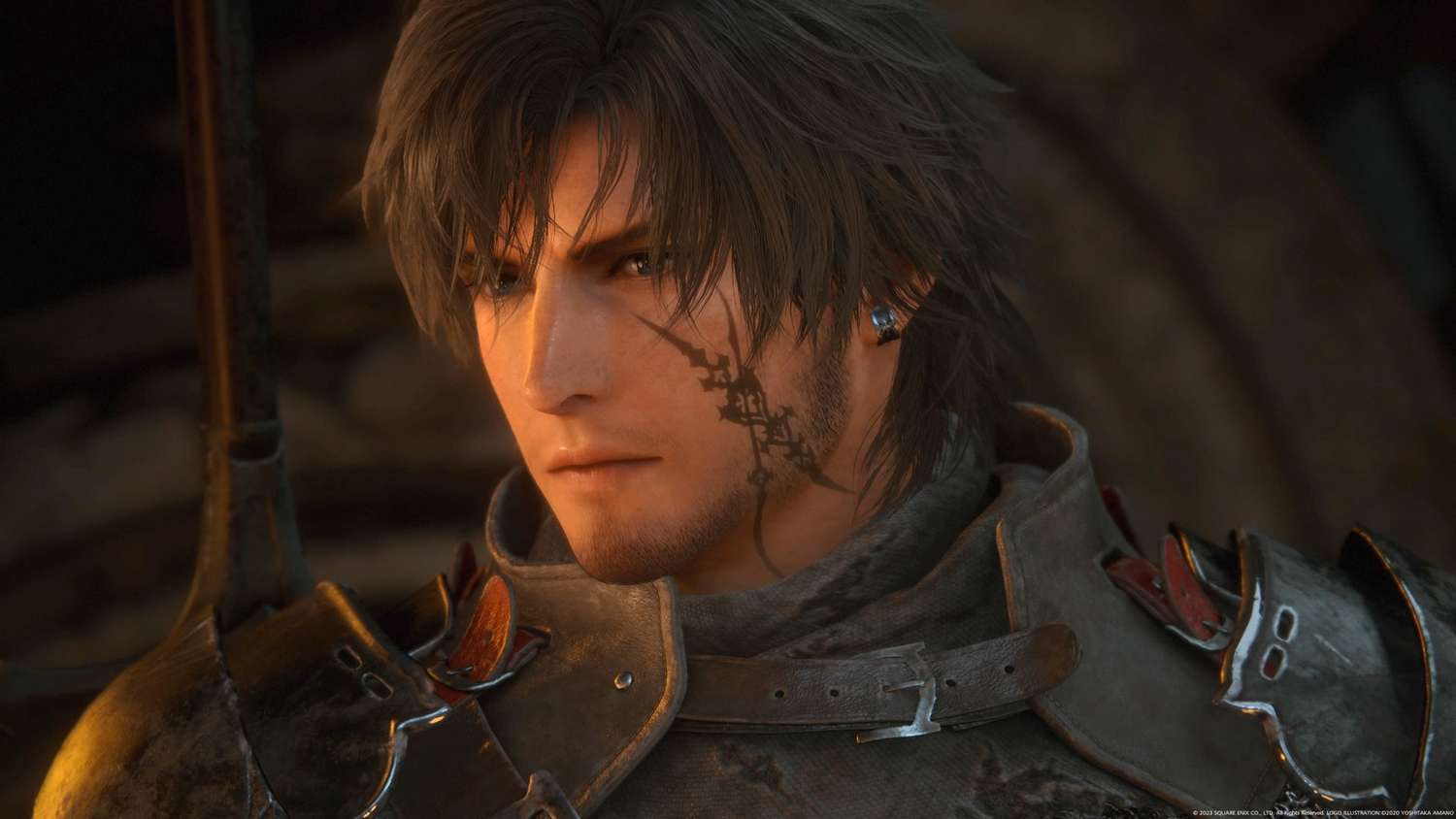
When Final Fantasy XVI (FF16) launched exclusively on PlayStation 5, it arrived draped in the colossal expectations reserved for a flagship title from Square Enix. Heralded as a return to a more mature, action-oriented fantasy epic, the anticipation for its release was palpable. Fans yearned for a true next-generation experience, a title that would not only push narrative boundaries but also showcase the raw power of Sony’s current-gen console. However, beneath the veneer of its stunning cinematics and engaging combat, a ‘messy truth’ quickly emerged regarding its technical performance on the PS5, sparking widespread debate and prompting Square Enix into a delicate dance of patches and explanations. This deep dive aims to dissect the performance paradox that has come to define FF16’s console debut, examining the unvarnished reality for players and what it means for the future of AAA game optimization.
The Promise Versus the Playable Reality: A Performance Divide
The marketing leading up to Final Fantasy XVI’s release painted a picture of seamless, high-fidelity action. Trailers showcased epic boss battles, intricate environments, and a visually arresting world brimming with detail. When players finally got their hands on the game, many were immediately captivated by its engrossing narrative and robust combat system, a stark departure from previous mainline entries. Yet, this captivating experience was frequently interrupted by glaring technical shortcomings, primarily concerning frame rate stability and resolution scaling, particularly within the game’s two primary display modes.
Performance Mode Woes: A Compromised Vision
The ‘Performance Mode’, designed to target a smoother 60 frames per second (fps), became the epicenter of player frustration. While a 60fps target is desirable for the game’s fast-paced, action RPG combat, FF16 struggled significantly to maintain this fluidity. Extensive testing by various technical analysts and countless player reports highlighted frequent and severe frame rate drops, often dipping into the 40s and even the low 30s during combat encounters, exploration in populated hubs, and particularly during Eikon battles – the very spectacles designed to awe players. This inconsistency led to a jarring experience, undermining the responsiveness of the combat and creating a feeling of choppiness that detracted from the otherwise stellar gameplay. Furthermore, achieving this unstable frame rate often necessitated a dynamic resolution scaling that could result in a noticeably softer, blurrier image, especially when camera movement was rapid, making the ‘performance’ trade-off feel less like an enhancement and more like a significant compromise.
 Fidelity Mode’s Limitations: Trading Smoothness for Visuals
 Fidelity Mode’s Limitations: Trading Smoothness for Visuals
For players prioritizing visual fidelity, the ‘Graphics Mode’ (or Fidelity Mode) promised a locked 30fps experience at a higher resolution. While this mode generally delivered a sharper image quality, it too was not immune to performance hiccups. Demanding scenes, particularly those featuring numerous particle effects or expansive vistas, could still see dips below the 30fps target. For a game that is often described as a ‘cinematic experience,’ maintaining a consistent frame pacing is paramount. Inconsistent frame delivery, even at 30fps, can introduce judder and contribute to a less smooth visual presentation, leaving many to question if even the ‘Fidelity Mode’ truly lived up to its name in every demanding scenario.
The Core of the Problem: Optimization Challenges on PS5
The genesis of FF16’s performance issues appears to lie in the game’s optimization, or perhaps a lack thereof, for the PlayStation 5 hardware. While the PS5 is a powerful console, harnessing its full potential requires meticulous engine development and resource management. Square Enix has a history with complex game engines, and FF16’s custom engine, reportedly built largely from scratch, may have presented unforeseen challenges. Developing for a single console can theoretically allow for hyper-optimization, yet FF16 suggests that even with console exclusivity, achieving peak performance for a graphically ambitious title remains a formidable task. This raises important questions for the broader industry regarding what constitutes a truly ‘next-gen optimized’ title, and whether the pursuit of ultra-high visual fidelity often comes at the expense of consistent performance on current hardware.
Community Reaction and Developer Response: A Patchwork Solution
The online community reacted swiftly, with forums and social media platforms alight with discussions, technical analyses, and a significant volume of player feedback expressing disappointment over the performance. Square Enix acknowledged these concerns relatively quickly, releasing a significant patch (version 1.03) shortly after launch. This update aimed to improve frame rate stability in ‘Performance Mode’, address camera issues, and introduce a motion blur strength slider. While the patch did offer some noticeable improvements, particularly reducing the severity of some of the more egregious frame drops, it did not entirely eradicate the core performance inconsistencies. The ‘Performance Mode’ still struggles to maintain a consistent 60fps, and dynamic resolution scaling remains a prominent factor, highlighting the deep-seated nature of the optimization challenges.
- Initial Player Feedback: Widespread reports of inconsistent frame rates and resolution issues.
- Square Enix Acknowledgment: Prompt developer communication regarding performance concerns.
- Patch 1.03: Introduced frame rate stability improvements, especially in Performance Mode, and camera adjustments.
- Ongoing Debate: While improved, consistent 60fps in Performance Mode remains elusive for many players.
Impact on Review Scores and the Player Experience
 Impact on Review Scores and the Player Experience
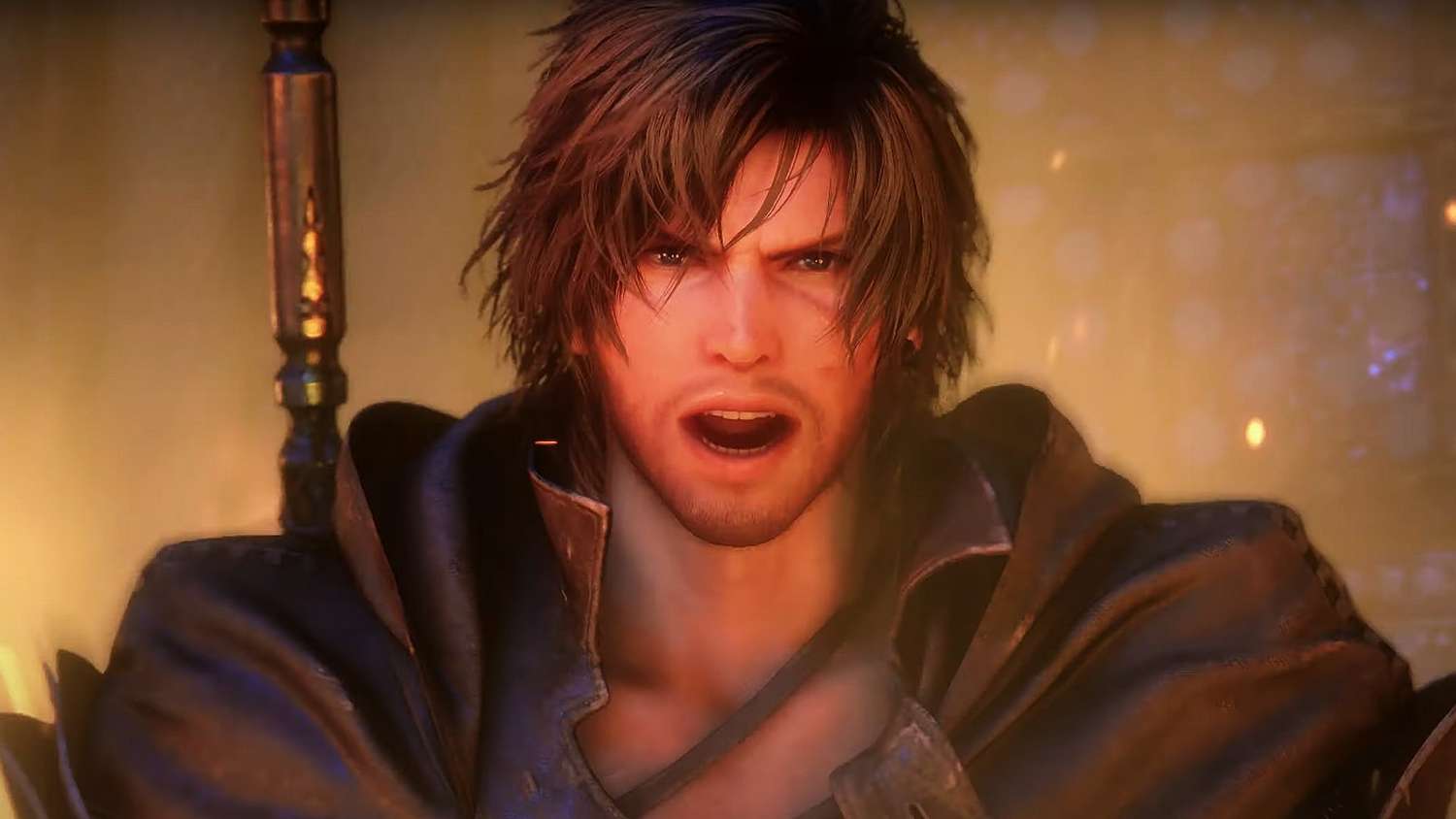
Despite the technical hitches, Final Fantasy XVI garnered widespread critical acclaim for its narrative, characters, combat, and art direction. However, almost every review prominently featured a caveat regarding the game’s performance. This demonstrates that while the core design and artistic merits of FF16 are exceptional, its technical delivery significantly marred the overall experience for many, preventing it from reaching its full potential as a truly flawless next-gen title. For a game that often demands precise timing and quick reflexes, inconsistent frame rates can directly impact gameplay enjoyment and perceived fairness.
The Road Ahead: Lessons for Future PS5 Exclusives and the PC Port
The ‘messy truth’ of Final Fantasy XVI’s PS5 performance serves as a critical case study for both Square Enix and the wider gaming industry. It underscores the immense pressure to deliver visually stunning and technically sound experiences on powerful modern hardware. As development progresses for a rumored PC port, there’s an expectation that Square Enix will have the opportunity to further optimize the game, potentially offering PC players a more stable and graphically customizable experience. For future PS5 exclusives, FF16’s journey highlights the non-negotiable importance of robust optimization from the outset, ensuring that artistic vision is not compromised by technical execution. Ultimately, Final Fantasy XVI is a brilliant game hampered by its technical execution on the PS5, leaving players to grapple with an often-stunning yet frequently stuttering next-gen journey.