
Revolutionary Sweetness: Candy Crush and Thundercat Deliver First-Ever Tasteable Lollipop Experience










Popular Now
 Call of Duty
 EA SPORT FC 25
 Rust
Rust
 Genshin Impact
 Free Fire Max
 Toca Boca World
 Roblox
 Minecraft
 The Legend of Zelda
 Gacha Club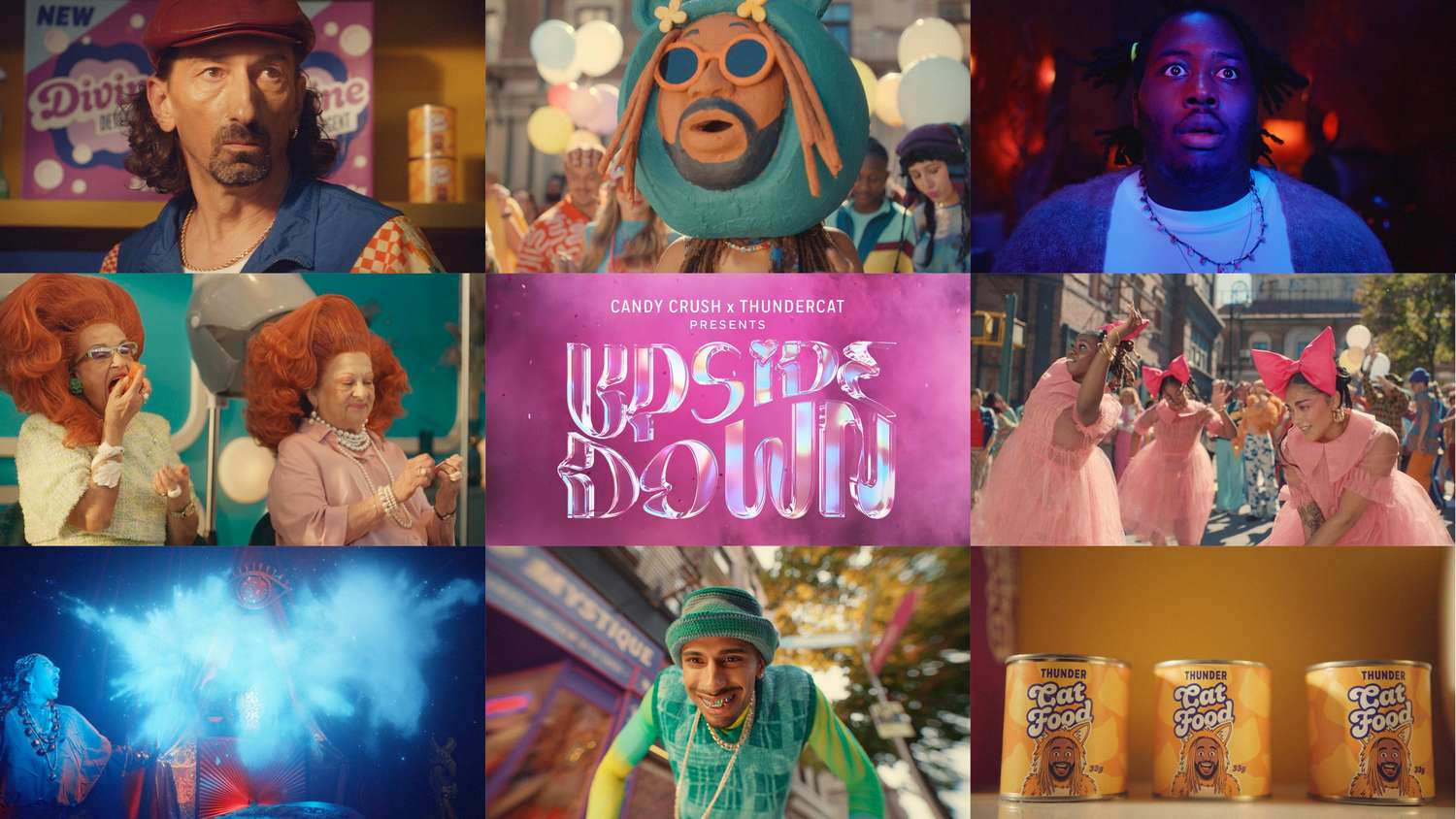
Revolutionary Sweetness: Candy Crush and Thundercat Deliver First-Ever Tasteable Lollipop Experience
In a groundbreaking move that bridges the realms of mobile gaming, celebrity influence, and innovative confectionery, King, the developer behind the globally celebrated
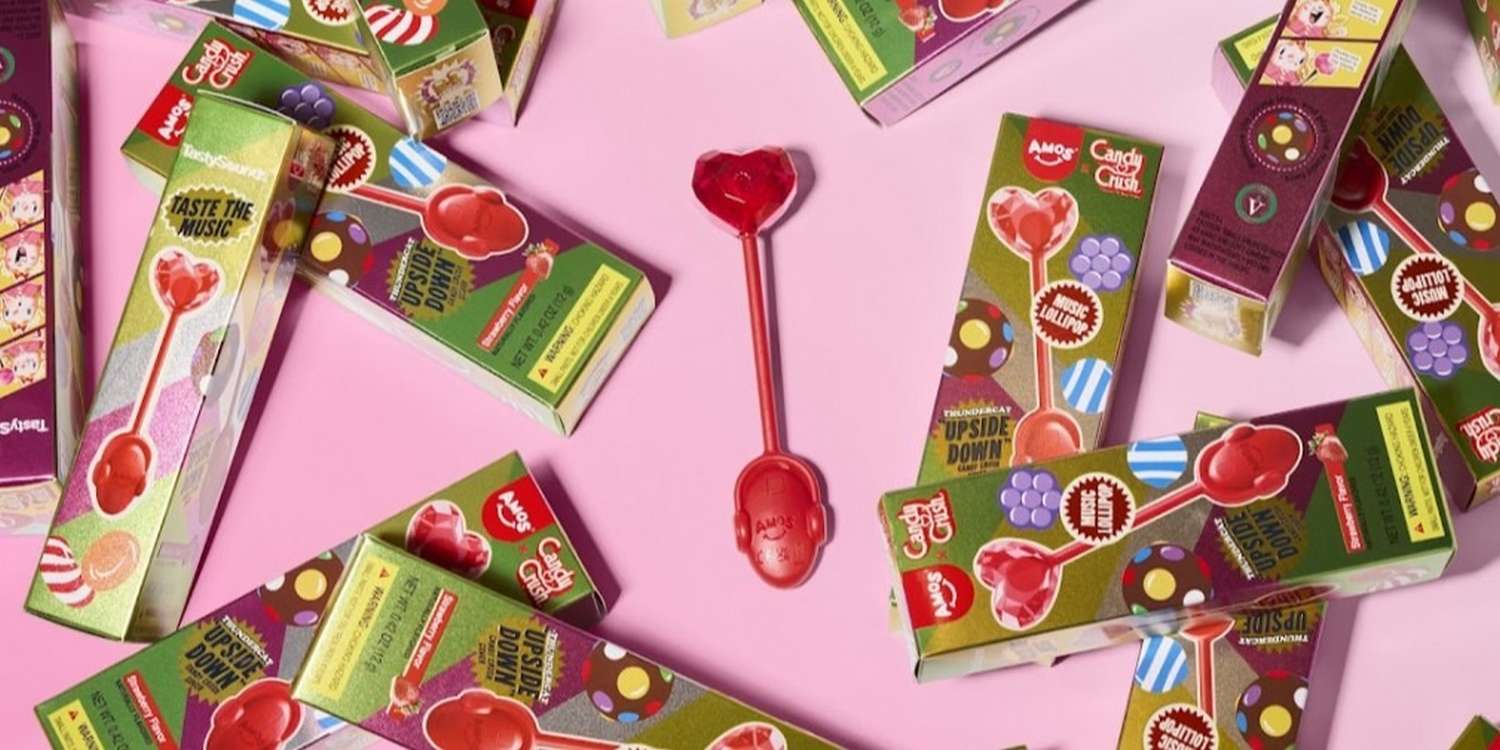
Candy Crush Saga, has announced an unprecedented collaboration with Grammy Award-winning artist Thundercat. This unique partnership aims to redefine sensory gaming experiences by introducing the world’s first-ever ‘tasteable’ lollipop directly inspired by the iconic game. This ambitious project, expected to launch in Q4, represents a significant leap in experiential marketing and brand synergy, promising consumers an entirely new dimension of engagement with their favorite digital puzzle game.
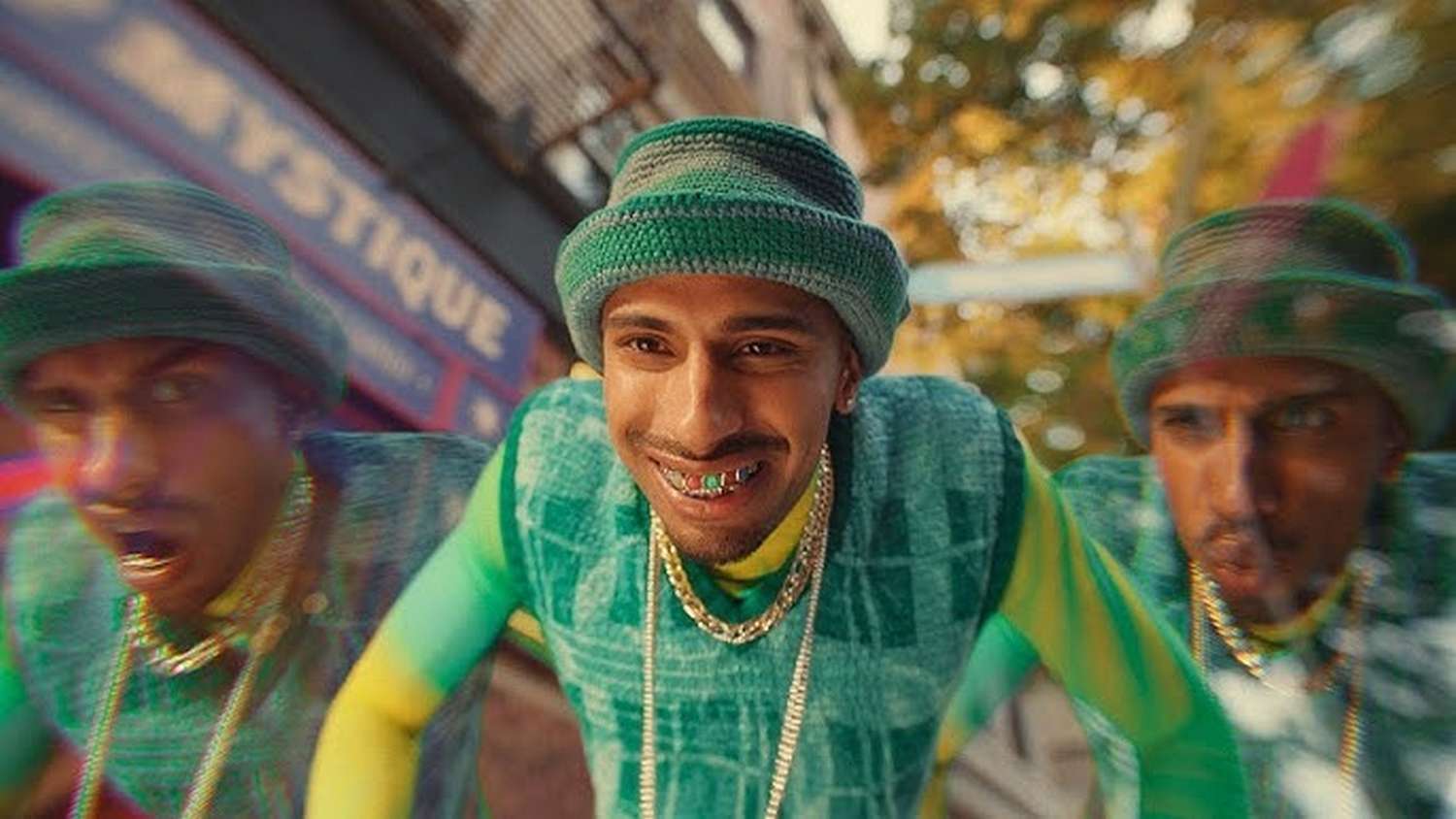
The announcement has sent ripples across both the gaming and entertainment industries, highlighting a bold venture into the burgeoning market of physical-digital convergence. Thundercat, known for his eclectic musical genius and vibrant personality, brings an unparalleled creative flair to this collaboration. His involvement is not merely a celebrity endorsement; sources close to the project indicate deep creative input from the artist, ensuring an authentic and innovative product that resonates with both his fanbase and the massive Candy Crush audience. This strategic alliance is designed to create a buzz, driving both consumer engagement and significant media attention, thereby enhancing the brand value of both King and Thundercat.
The Genesis of a Sweet Sensation: Behind the Tasteable Tech
The concept of a ‘tasteable’ lollipop that mirrors in-game experiences might sound like science fiction, but King’s R&D division, in collaboration with specialized food technologists and Thundercat’s creative team, claims to have achieved a breakthrough. While specific details remain under wraps to protect proprietary technology, the lollipops are rumored to incorporate advanced flavor encapsulation techniques alongside subtle haptic feedback mechanisms that, when combined, stimulate taste buds in a way that evokes the sensation of ‘crushing’ candies or experiencing a ‘color bomb’ explosion. Each lollipop is crafted to represent a different power-up or candy type from the game, offering a diverse array of premium flavor profiles and textures.
This innovative confectionery is more than just a sweet treat; it’s a meticulously engineered consumable designed to deepen player immersion. Imagine a Sugar Crush lollipop that delivers an intense burst of sweetness and a satisfying textural crunch, or a Striped Candy lollipop with alternating layers of fruit and mint that simulate its in-game action. This level of detail aims to elevate the casual gaming experience into something tangible and memorable, creating a unique selling proposition in a highly competitive market. This move could also pave the way for other gaming franchises to explore similar digital-physical product extensions, thereby expanding the entire market for gaming peripherals beyond traditional hardware.
Beyond the Screen: Experiential Marketing and Consumer Engagement
The partnership signifies a sophisticated approach to intellectual property monetization and cross-promotional strategies. By leveraging the immense popularity of Candy Crush Saga—a title with billions of downloads and millions of daily active users—King is tapping into a vast, established consumer base. Thundercat’s involvement ensures a broader appeal, drawing in demographics that might not typically engage with mobile gaming products but are attracted to innovative lifestyle brands and celebrity collaborations. This fusion creates a powerful marketing synergy that can drive both direct product sales and increased game downloads and player retention.
Key strategic benefits of this innovative initiative include:
- Enhanced Brand Loyalty: Offering a tangible, multi-sensory product deepens the emotional connection between players and the Candy Crush brand.
- New Revenue Streams: The lollipops create an entirely new product category for King, diversifying their income beyond in-game purchases and advertising. This represents a significant high-value brand partnership.
- Viral Marketing Potential: The novelty of a ‘tasteable’ game element, combined with Thundercat’s involvement, guarantees substantial social media buzz and traditional media coverage, functioning as powerful, organic advertising.
- Broadened Market Reach: Attracting non-gaming consumers through Thundercat’s influence and the unique product concept, expanding the overall Candy Crush ecosystem.
- Pioneering Sensory Integration: Setting a new benchmark for how digital entertainment can intersect with real-world physical products, influencing future trends in player immersion and gaming experience innovation.
Economic Implications and Future Trends in Gaming
From an economic standpoint, this venture represents a calculated risk with potentially high rewards. The global confectionery market is valued in the hundreds of billions, and by carving out a niche within it, King stands to capture a significant share, especially within the premium snacking and novelty segments. Analysts are already speculating on the potential for substantial mobile gaming revenue growth stemming from such physical product sales. Furthermore, the partnership could establish a precedent for how gaming companies can effectively expand their brands into diverse consumer goods categories, leading to a new era of brand extension strategies and diversified revenue streams within the industry.
The long-term implications for the gaming industry are profound. This collaboration could inspire other developers to explore unconventional ways to enhance game immersion and monetize their IPs. We might see a future where games come with complementary sensory packs—scent diffusers, haptic feedback garments, or even other taste-based consumables. The success of the Candy Crush and Thundercat lollipop will be a critical case study in the efficacy of digital-physical product innovation and its capacity to reshape consumer expectations for entertainment products. It transforms a purely visual and auditory gaming experience into one that engages multiple senses, promising a more holistic and memorable interaction.
The Future of Sensory Gaming: A Sweet Horizon
This audacious move by King and Thundercat is more than just a marketing gimmick; it’s a peek into the potential future of entertainment. As technology advances, the lines between digital and physical experiences will continue to blur. The ‘tasteable’ lollipop, while seemingly simple, represents a complex fusion of culinary science, digital art, and strategic brand management. It challenges the conventional boundaries of what a mobile game can offer and how it can interact with its audience. This initiative firmly positions Candy Crush Saga not just as a leading casual game, but as a pioneer in developing truly immersive, multi-sensory experiences that transcend the screen.
Ultimately, the Candy Crush x Thundercat lollipop collaboration is a bold experiment in redefining what player immersion means in the 21st century. It’s a testament to creative vision and a willingness to push technological boundaries to deliver something truly novel. As the launch date approaches, the anticipation is palpable, not just for Candy Crush fans, but for anyone interested in the evolving landscape of gaming, marketing, and innovative consumer products. This ‘tasteable’ sensation promises to be a game-changer, literally and figuratively, sweetening the path for future innovations in interactive entertainment and setting new standards for high-impact brand collaborations.