
The Expanse: Osiris Reborn – Unpacking the Catastrophic Fallout of Command Decisions and Station Demise










Popular Now
 Rust
Rust
 The Legend of Zelda
 Valorant
 Schedule I
 Geometry Dash
 Fortnite
 Sonic the Hedgehog™ Classic
 Brawl Stars
 Auto X Drift Racing 3
 Call of Duty
The Expanse: Osiris Reborn – Unpacking the Catastrophic Fallout of Command Decisions and Station Demise
In the vast, unforgiving void of space, the margin for error is razor-thin, and consequences are often absolute. Such is the grim reality powerfully brought to life in The Expanse: Osiris Reborn, the latest title to plunge players into the beloved, gritty sci-fi universe. While many games offer thrilling combat and strategic triumphs, few dare to confront players with the brutal, immediate repercussions of their failures quite like this game. A recent harrowing account from a player detailing the near-total destruction of a space station under their command serves as a stark testament to the game’s profound depth and unforgiving simulation.
This incident, far from being a mere bug or an uninspired plot point, highlights the core appeal and challenging mechanics of Osiris Reborn gameplay. It forces players to confront the very real weight of responsibility inherent in commanding a vital asset and its inhabitants. For those seeking an immersive experience where every decision truly matters, and the stakes are monumentally high, this game delivers a chillingly realistic simulation of leadership under pressure.
The Gravity of Player Choice: When a Station Falls
The alleged incident – the catastrophic loss of most of a space station – isn’t just a dramatic narrative; it’s a critical reflection of The Expanse: Osiris Reborn review landscape. Players aren’t simply piloting ships; they are managing complex ecosystems, political landscapes, and fragile alliances. How, then, could such a devastating event unfold? The game’s intricate design suggests several pathways to such a spectacular failure:
- Resource Management Crisis: A prolonged period of neglect in oxygen recycling, water purification, or food production, perhaps exacerbated by critical supply line disruptions, could lead to widespread system failures and crew fatalities.
- Strategic Combat Blunders: Miscalculating an enemy’s strength, neglecting defensive upgrades, or poor tactical deployment of station defenses during a pirate raid or factional assault could leave vital sections exposed and vulnerable to destruction.
- Failed Diplomatic Maneuvers: Angering a powerful faction, mishandling negotiations, or allowing internal political strife to fester might lead to sabotage, mutiny, or an all-out attack from within or without, crippling the station.
- Critical System Overload: Attempting to push the station’s reactors or life support systems beyond their operational limits for a tactical advantage, or during an emergency, could result in cascading failures and catastrophic explosions.
Each of these scenarios underscores the game’s commitment to player agency and the very real consequences of both intentional and unintentional actions. This isn’t a game where critical failures are glossed over; they are meticulously simulated, forcing players to grapple with the fallout.
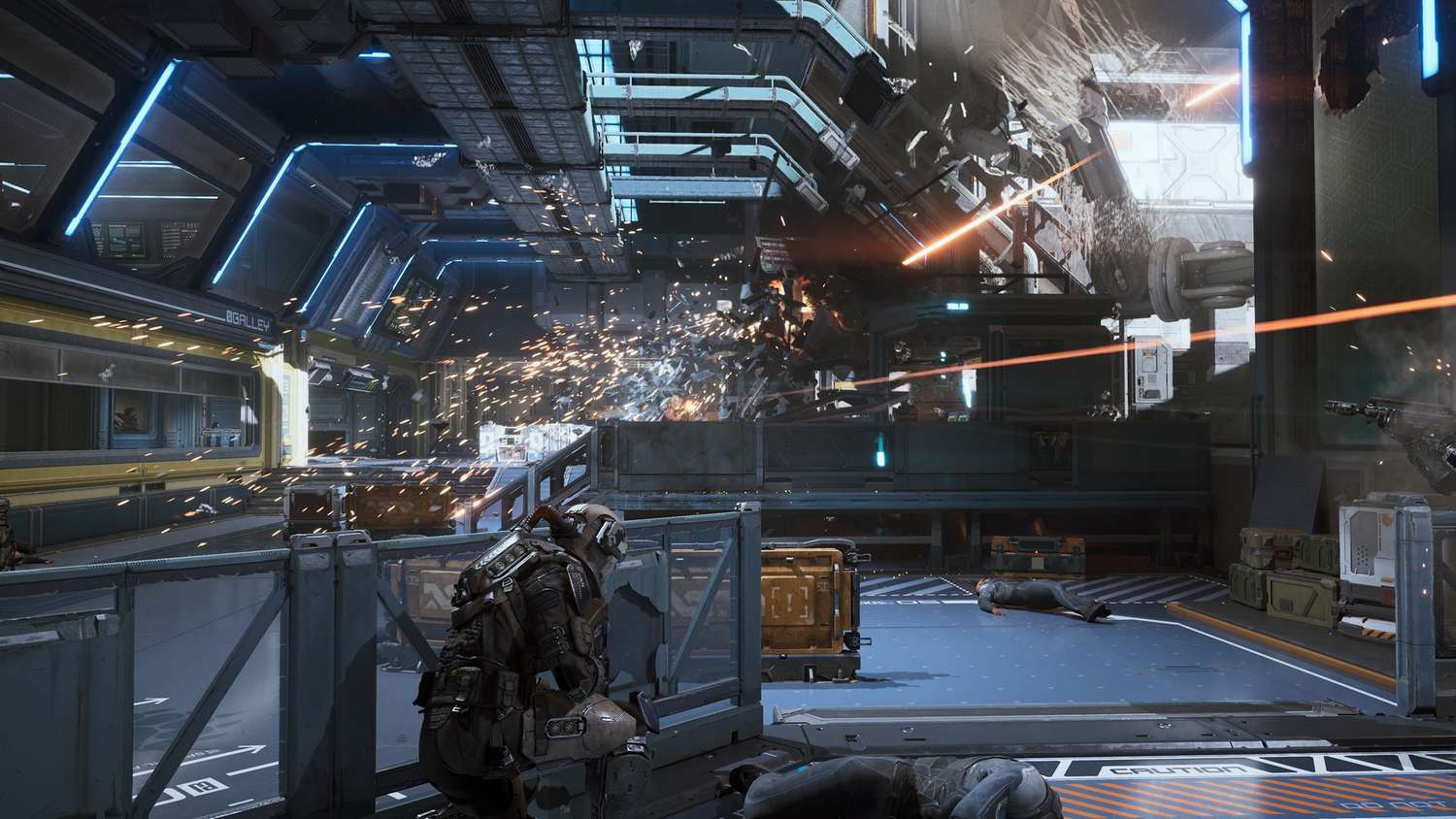
The Mechanics of Misfortune: Systems Under Stress
What truly sets The Expanse: Osiris Reborn apart is its robust simulation engine that underpins these high-stakes scenarios. It’s not just about flashy graphics; it’s about the underlying systems that govern life and death in a space station. The game boasts:
- Granular Resource Tracking: Players must meticulously monitor everything from atmospheric integrity and power grid stability to crew morale and medical supplies. Neglect in any area can trigger cascading failures.
- Dynamic Threat Assessment: External threats, from asteroid impacts to hostile incursions, require constant vigilance and adaptive defensive strategies. Station shielding, weapon systems, and rapid response teams are critical.
- Deep Political and Social Simulation: Factional loyalty, crew satisfaction, and external diplomatic relations are not static. Player choices in these areas can lead to critical alliances or devastating betrayals, directly impacting the station’s security.
- Advanced Damage Modeling: When a section of the station is damaged, the game realistically simulates the effects – depressurization, power outages, fire outbreaks, and the loss of life support, all requiring urgent and strategic intervention.
These complex intertwining systems ensure that a player’s choices, no matter how small, can reverberate through the entire station, leading to a palpable sense of tension and responsibility. It’s a masterclass in immersive gameplay for any sci-fi strategy game enthusiast.
Immersion and Emotional Resonance: A Brutal Learning Curve
The Expanse universe itself is known for its gritty realism and the brutal indifference of space, and Osiris Reborn captures this perfectly. Experiencing the near-total loss of a space station isn’t just a mission failure; it’s an emotional gut punch. The game excels at creating a sense of dread and regret, forcing players to:
- Reflect on Decisions: The immediate aftermath of a disaster prompts deep introspection into what went wrong, often revealing flaws in initial strategic planning or tactical execution.
- Feel the Weight of Command: Witnessing the simulated deaths of crew members or the destruction of vital infrastructure due to one’s own oversight evokes a profound sense of responsibility, rare in modern gaming.
- Embrace a Learning Curve: Instead of simply reloading an earlier save, many players find themselves compelled to understand the mechanics of their failure, adapting future strategies to avoid similar catastrophes. This encourages deeper engagement with the game’s systems and enhances replayability.
The visual and auditory feedback during such a crisis – alarms blaring, lights flickering, desperate comms chatter – amplify the emotional impact, making the experience intensely personal. For fans of the series, this adherence to the source material’s tone is a major draw, solidifying its place among the new PC games and likely upcoming Xbox Series X games and PlayStation 5 games that truly push the boundaries of narrative and consequence.

Conclusion: The Unforgiving Vacuum of Space
The Expanse: Osiris Reborn stands out as a formidable entry in the **sci-fi strategy** and space combat simulation genres. While the story of a space station’s near-destruction might sound like a deterrent, it is, in fact, one of the game’s greatest strengths. It’s a bold declaration that player actions have irreversible consequences, a testament to its deep simulation, and a challenge to any commander who believes they can master the unforgiving vacuum of space without humility.
For those who crave a game that respects intelligence, punishes arrogance, and rewards careful planning, The Expanse: Osiris Reborn offers an unparalleled experience. It’s not just about winning; it’s about surviving, learning, and grappling with the immense responsibility of command in a universe that cares little for your best intentions. This title undoubtedly earns its place among the top games for players seeking profound tactical depth and a truly immersive narrative where the human element, and its capacity for devastating error, is always at the forefront. The question isn’t whether you’ll make mistakes, but whether you can survive them.