
The Outer Worlds 2: Unpacking the Villain Reveal via a Daring Museum Heist – What it Means for the Narrative







Popular Now
 Among Us
 Geometry Dash
 Warframe
 Valorant
 FIFA 23
 Fall Guys
 BeamNG.drive
 Rust
Rust
 CarX Street
 Toca Boca World
Introduction: A New Era of Villainy in The Outer Worlds 2
The highly anticipated sequel, The Outer Worlds 2, from acclaimed developer Obsidian Entertainment, is already generating immense buzz within the global gaming community. While concrete details have been carefully guarded, recent speculative insights and industry whispers suggest a thrilling new direction for its primary antagonist: an introduction via a high-stakes museum heist. This potential narrative device promises to deliver a sophisticated, memorable villain from the outset, setting a compelling tone for one of the most awaited upcoming RPGs.
For fans eager for deep, player-driven narratives and the satirical wit characteristic of Obsidian’s work, this purported reveal method for a central antagonist is particularly exciting. It signals a potential for complex motivations, intricate schemes, and challenging moral dilemmas, all hallmarks of a premium sci-fi adventure. As players look forward to diving back into the chaotic corporate-ruled cosmos, understanding the implications of such a villainous debut becomes paramount for predicting the game’s overall impact and its position among the best RPGs on Xbox and PC gaming platforms.
The Legacy of Player Choice and Narrative Depth
Obsidian Entertainment has long been celebrated for its commitment to player agency and crafting compelling, morally ambiguous narratives. Titles like Fallout: New Vegas and the original The Outer Worlds cemented their reputation for offering meaningful choices with tangible consequences, fostering immense replayability and critical acclaim. The first Outer Worlds captivated players with its darkly humorous take on corporate greed, its diverse cast of companions, and its emphasis on exploring the nuanced grey areas of a space-faring dystopia.
The announcement of The Outer Worlds 2 immediately positioned it as a flagship title for future next-gen gaming experiences. Expectations are high for an even grander scale, enhanced graphics, and deeper gameplay mechanics. Introducing a villain through a dramatic event like a museum heist aligns perfectly with Obsidian’s tradition of rich storytelling, promising an antagonist who is not merely a static boss fight but a driving force behind the game’s core plot, shaping the very fabric of the player’s journey through new and unexplored star systems.
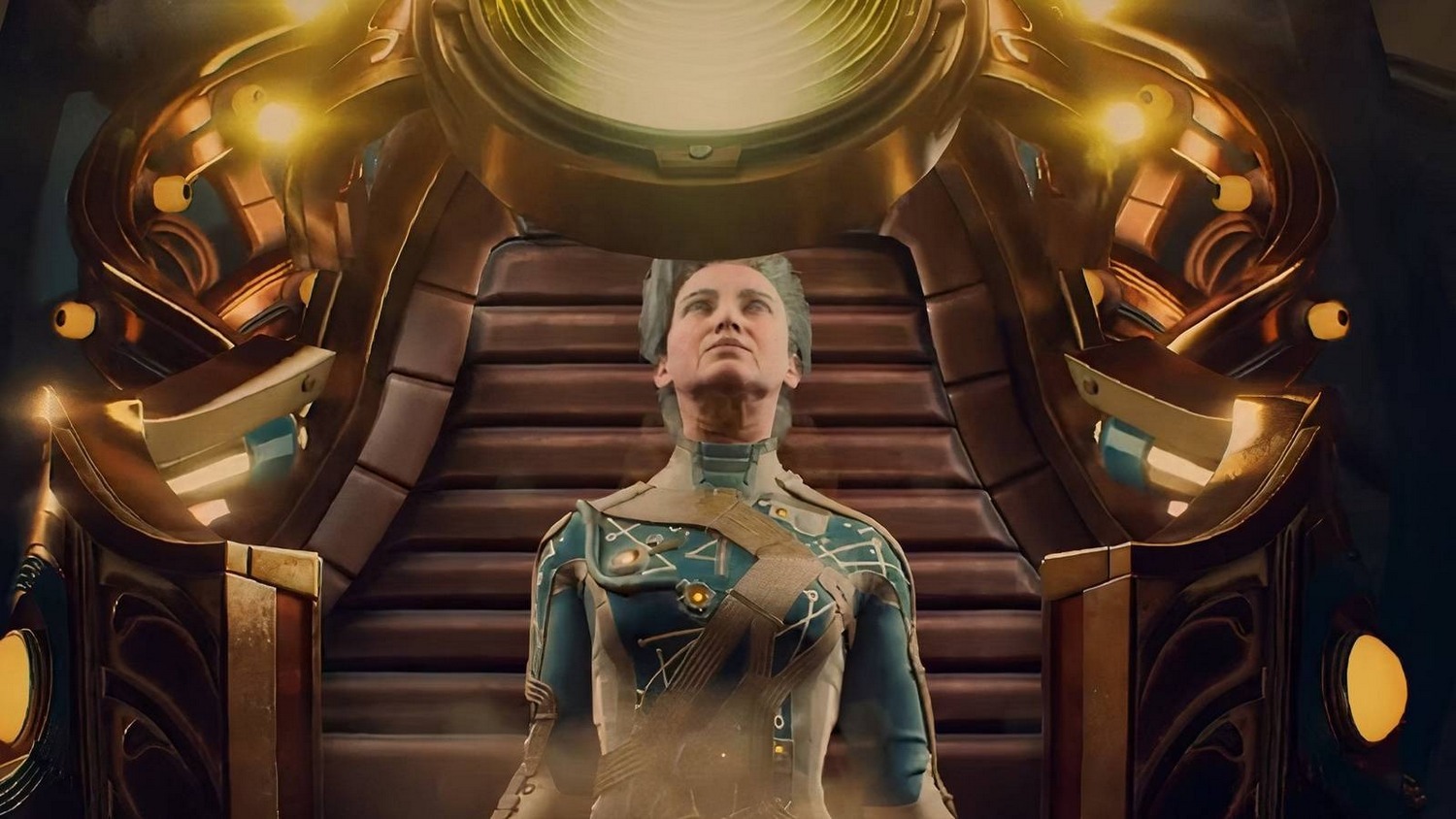
The Heist: A Masterstroke in Villain Introduction
Whispers from the gaming community and speculative developer insights suggest that The Outer Worlds 2 may introduce its primary antagonist through a daring museum heist. This isn’t just a simple robbery; it’s presented as a meticulously planned operation designed to make a statement, showcasing the villain’s intelligence, resources, and potentially their unique ideology. Such an event immediately establishes the antagonist as a formidable force, someone capable of intricate schemes that transcend mere brute force.
- Strategic Sophistication: A museum heist implies meticulous planning, advanced technology, and a network of collaborators. This suggests a villain who operates on a grander scale than typical street-level thugs, demanding players to engage both their wits and their combat skills.
- Moral Ambiguity: What treasures are stolen, and why? Is it for wealth, a symbolic act against a corporate overlord, or to acquire a specific artifact with profound narrative implications? The motive behind the heist could immediately paint the antagonist in shades of grey, perhaps even making them sympathetic to certain factions or player types. This element is crucial for a mature action RPG experience.
- World-Building Implications: The target of the heist – a museum – often signifies cultural or historical importance. Its violation could shatter societal norms within the game’s universe, revealing underlying tensions or forgotten truths that players will be forced to confront. This expands the game’s lore and sets the stage for a rich, immersive world.
- Immediate Conflict: By starting with such a dramatic event, the game thrusts players directly into the central conflict, establishing high stakes and a clear objective or opposing force from the early stages of their adventure. This provides a strong hook for engaging new players and veterans alike in the game’s dynamic narrative.
This method of introduction ensures that the villain is not just an obstacle to overcome, but a fully realized character whose actions resonate throughout the game world, impacting player choice and story progression in significant ways. It’s a testament to Obsidian’s narrative design prowess and their commitment to elevating the art of video game storytelling.
Gameplay Implications: Shaping the Player Experience
This dramatic villain introduction is poised to significantly impact the core RPG gameplay mechanics and player choices in The Outer Worlds 2. If the protagonist witnesses or becomes embroiled in the immediate aftermath of such a heist, it could shape their initial objectives, faction alignments, and even their moral compass for the entire playthrough. The choice of how to respond to this initial act of villainy could be one of the game’s earliest and most impactful decisions.
- Faction Dynamics: Will players find themselves inadvertently allied with, or directly opposing, the villain’s faction? The heist could expose the vulnerabilities of powerful corporate entities, offering opportunities for players to side with underdogs or even exploit the chaos for their own gain. This opens up complex political landscapes and diverse mission structures, appealing to fans of deep open-world RPGs.
- Stealth and Combat Encounters: The nature of a heist suggests a reliance on stealth, infiltration, and clever tactical combat. Missions might involve tracking down stolen artifacts, infiltrating the villain’s hidden bases, or even participating in counter-heists. This could introduce new gameplay elements and enhance existing ones, providing a fresh challenge for players accustomed to the original game’s combat system.
- Dialogue and Persuasion Challenges: Unraveling the villain’s motives and network will undoubtedly involve extensive dialogue options, requiring players to utilize persuasion, intimidation, or deception skills. The mystery surrounding the heist provides ample opportunity for detective work, uncovering clues, and piecing together information from various sources within the game’s rich lore.
- Companion Interactions: How will the various companions react to this villain and their actions? Their unique perspectives, moral leanings, and backstories could provide valuable insight or even lead to internal party conflicts, adding another layer of depth to the immersive character customization and party management features.
The stakes are incredibly high with this kind of setup, promising a more interactive and reactive world where the actions of a single, well-established villain can ripple through every facet of the player’s journey. This is crucial for an AAA title aiming for significant critical reception and long-term player engagement.
Expanding the Cosmos: New Settings and Deeper Lore
While the original game immersed players in the corporate-dominated Halcyon colony, The Outer Worlds 2 is expected to expand its universe significantly, introducing new star systems, planets, and factions. A villain introduced through a museum heist provides an excellent springboard for this expansion. The stolen artifact or the target museum itself could originate from a distant, previously unexplored part of the galaxy, pulling players into uncharted territories.
This allows Obsidian to flex its world-building muscles, creating new environments that are visually distinct and culturally rich. The heist could be tied to ancient alien civilizations, forgotten technologies, or the political machinations of newly introduced corporate entities, offering a fresh narrative canvas. Such detailed lore expansion is a key selling point for a new sci-fi RPG. Developers often leverage such pivotal story elements to showcase the diversity of their game worlds, from vibrant alien cities to desolate research outposts, all while driving the core mystery surrounding the villain.
Obsidian’s Signature Touch: Storytelling and Satire
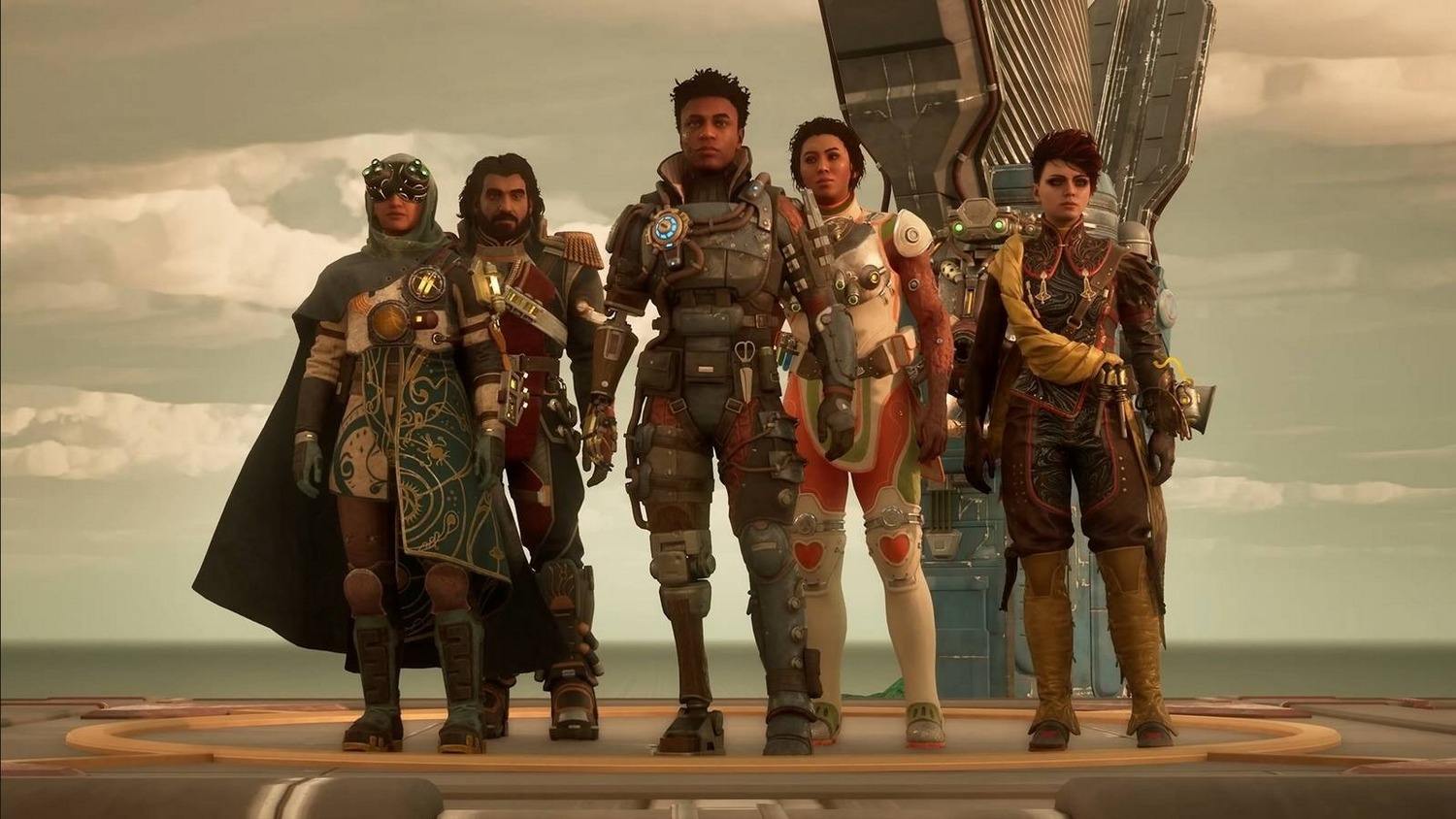
The developers at Obsidian are renowned for their sharp writing, cynical humor, and satirical takes on contemporary society, all wrapped within compelling narratives. A villain introduced through a museum heist offers fertile ground for this signature style. The very act of stealing from a museum – often seen as a bastion of culture or history – can be twisted to serve a larger, perhaps even morally justifiable, agenda within The Outer Worlds 2‘s satirical universe. Is the museum owned by a corrupt corporation? Are the artifacts themselves symbols of oppression?
This level of narrative depth, where players are forced to question the motivations of not only the villain but also the systems they operate within, is what sets Obsidian’s games apart. It encourages critical thinking and provides a richer, more thought-provoking experience than simple good-versus-evil narratives. The museum heist could be a brilliantly executed piece of social commentary, perfectly aligning with the game’s established themes and offering players a new perspective on the meaning of ‘heroism’ in a deeply flawed galaxy. This commitment to nuanced storytelling will undoubtedly be a major highlight of The Outer Worlds 2, contributing to its anticipated success and cementing its place as a genre-defining title within the gaming community.
Anticipation Builds: What This Means for The Outer Worlds 2
The mere suggestion of such an intricate villain reveal through a high-stakes museum heist elevates the excitement surrounding The Outer Worlds 2 to new heights. It promises a compelling antagonist, deep narrative possibilities, and gameplay experiences that leverage Obsidian’s strengths in crafting player-driven stories. This is more than just a leak; it’s a testament to the potential for truly innovative storytelling in modern gaming. As fans eagerly await the official game release date and further development updates, the prospect of facing a villain whose debut is steeped in such dramatic flair ensures that The Outer Worlds 2 is not just another sequel, but a truly anticipated evolution of the beloved franchise. Keep an eye out for more details, as this looks set to be one of the most talked-about AAA titles in the coming years, offering immense value and a rich experience for those looking to pre-order and dive into its immersive universe.